Alcohol addiction is a serious health condition that can affect a person’s physical health, mental well-being, relationships, work, and everyday life. It may involve difficulty controlling alcohol use, strong cravings, continued drinking despite negative consequences, or withdrawal symptoms when alcohol use is reduced or stopped.
Alcohol dependence isn’t simply a matter of weak willpower. Repeated alcohol use can affect brain function, behavior, and the body’s ability to adapt without alcohol. With appropriate professional assessment and ongoing support, people can work toward recovery and healthier lives.
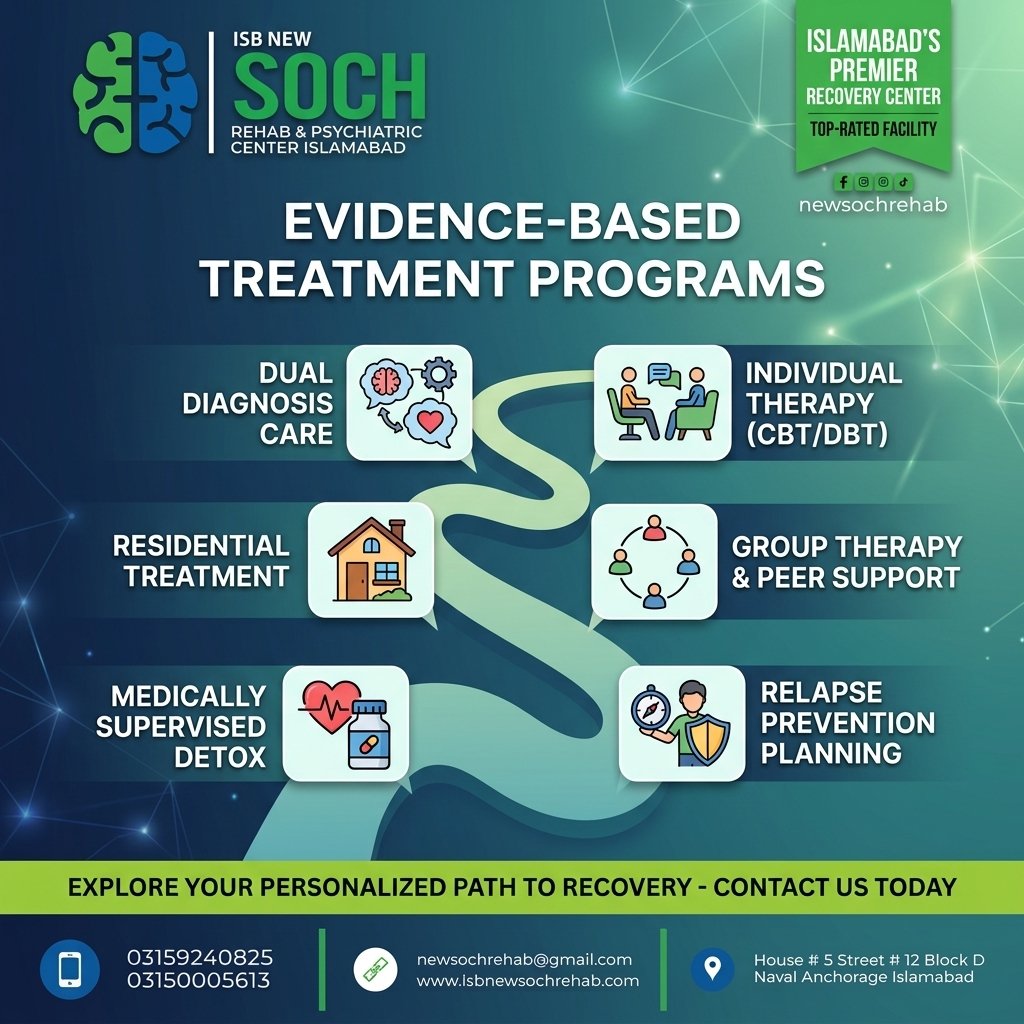
At New Soch Rehab and Psychiatric Center Islamabad, alcohol-related concerns can be approached through individualized assessment, psychological support, family involvement, and appropriate medical or psychiatric care when clinically indicated.
What Is Alcohol Addiction?
Alcohol addiction is commonly associated with alcohol use disorder (AUD), a medical condition involving problematic alcohol use that causes significant impairment or distress.
A person may have an alcohol-related disorder when they experience difficulties such as:
- Drinking more or for longer than intended
- Repeatedly trying but failing to reduce alcohol use
- Strong cravings for alcohol
- Neglecting work, education, or family responsibilities
- Continuing to drink despite health or relationship problems
- Spending significant time obtaining, using, or recovering from alcohol
- Developing tolerance
- Experiencing withdrawal symptoms after stopping or reducing alcohol
The severity of alcohol use disorder varies. A professional evaluation can help determine the appropriate level of care.
Common Signs of Alcohol Addiction
Alcohol-related problems don’t always look the same. Some people drink openly and frequently, while others try to hide their consumption.
Potential warning signs include:
Changes in Drinking Patterns
Drinking more frequently, consuming larger amounts, or needing alcohol to feel relaxed may indicate a developing problem.
Loss of Control
Repeatedly drinking more than planned or being unable to stop once drinking begins can be concerning.
Neglected Responsibilities
Problems may emerge at work, school, home, or in relationships.
Withdrawal Symptoms
A person who has developed physical dependence may experience symptoms such as shaking, sweating, anxiety, nausea, insomnia, or agitation when alcohol use is reduced.
Continued Use Despite Harm
Continuing to drink despite physical, psychological, financial, or relationship problems is an important warning sign.
Effects of Alcohol on Physical Health
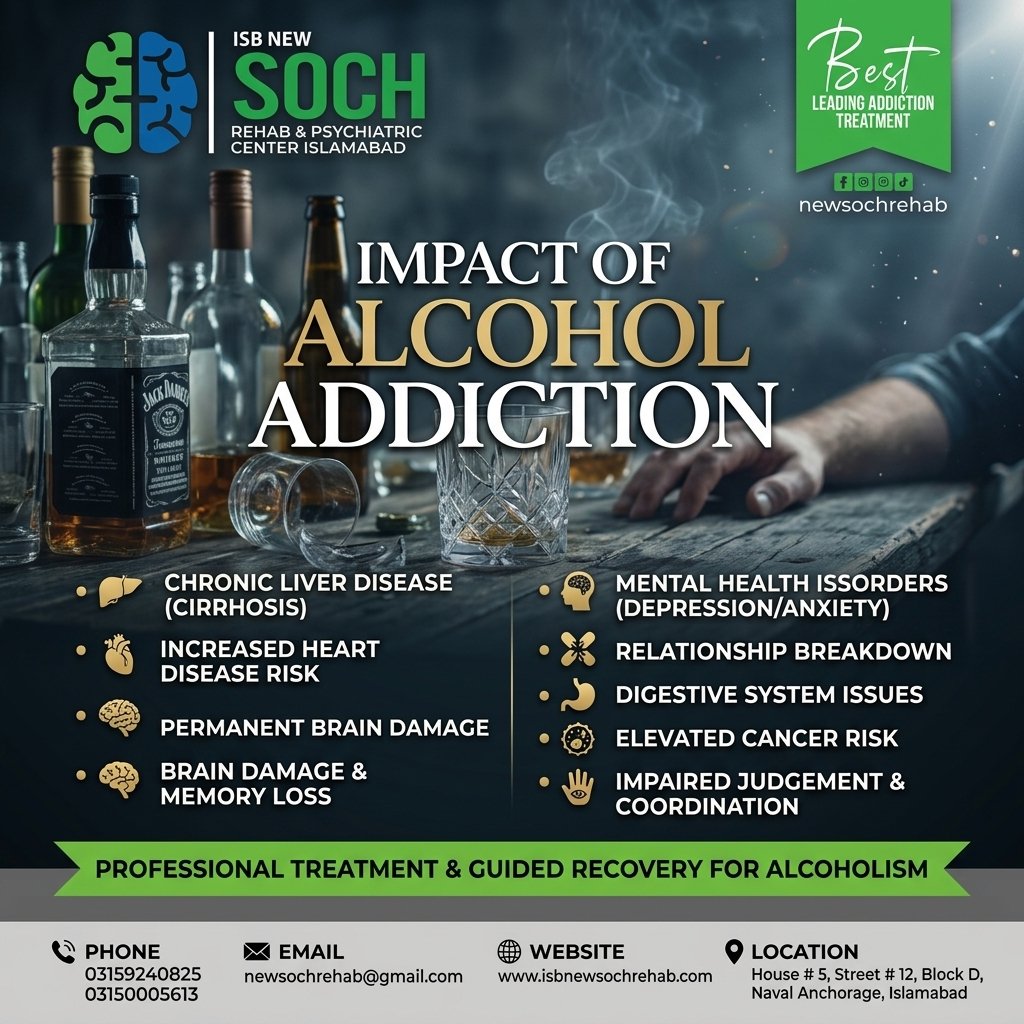
Long-term heavy alcohol use can affect multiple organs and body systems.
Potential health consequences include:
- Liver disease
- Cardiovascular problems
- Digestive problems
- Sleep disturbances
- Weakened immune function
- Nutritional deficiencies
- Increased risk of certain cancers
- Accidents and injuries
The level of risk depends on factors such as amount and frequency of drinking, duration of use, individual health, and other substances or medications.
Alcohol Addiction and Mental Health
Alcohol use and mental health can influence each other. Some individuals may drink in an attempt to cope with anxiety, depression, trauma, loneliness, or stress.
However, alcohol can also worsen mood, sleep, anxiety, and other psychological symptoms.
When alcohol addiction occurs alongside a mental health condition, professionals may describe this as a co-occurring disorder or dual diagnosis.
Addressing both concerns can be important for comprehensive care.
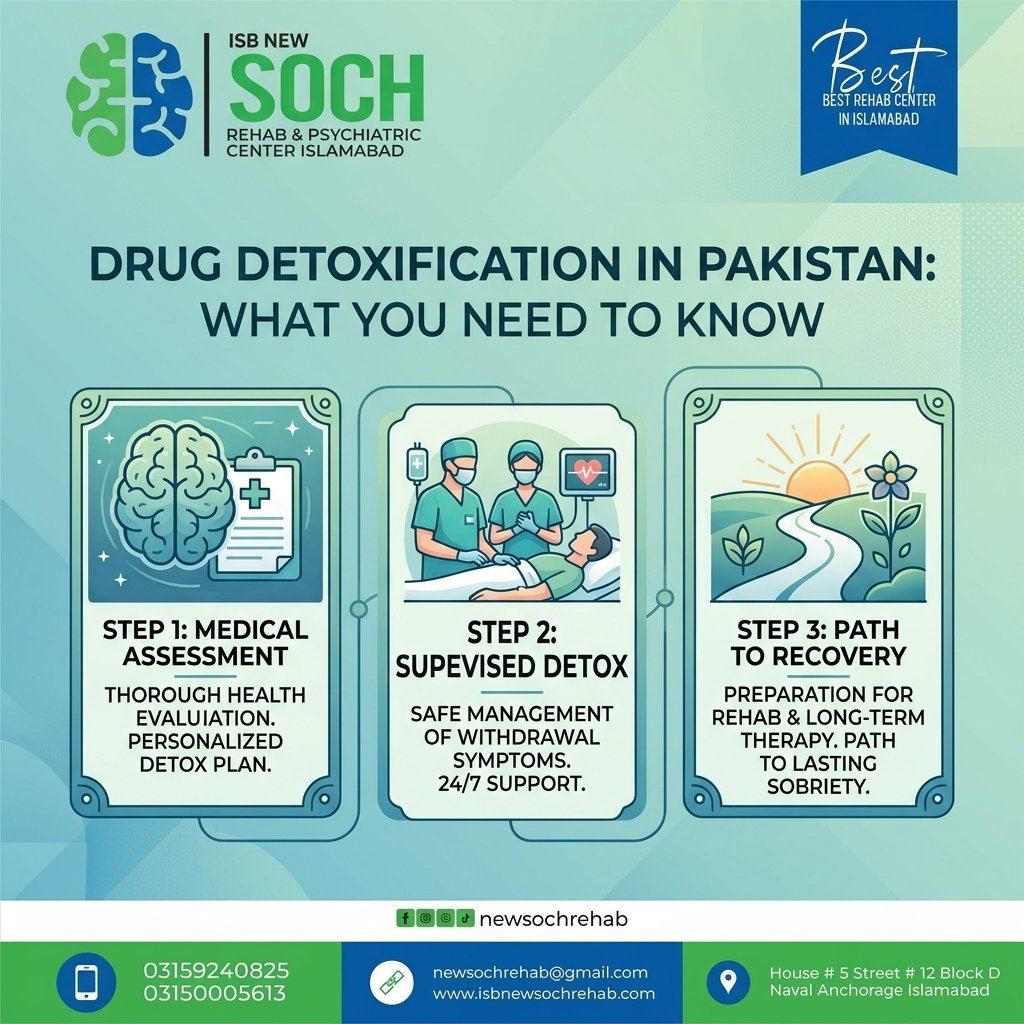
Alcohol Withdrawal and Detoxification
People who have developed significant physical dependence should be cautious about suddenly stopping alcohol without medical advice.
Withdrawal can range from mild to severe. Symptoms may include:
- Tremors
- Sweating
- Anxiety
- Nausea
- Headache
- Insomnia
- Rapid heartbeat
Severe alcohol withdrawal can cause seizures, hallucinations, severe confusion, or delirium and can become life-threatening.
For this reason, people who drink heavily or regularly should seek professional medical assessment before attempting to stop suddenly.
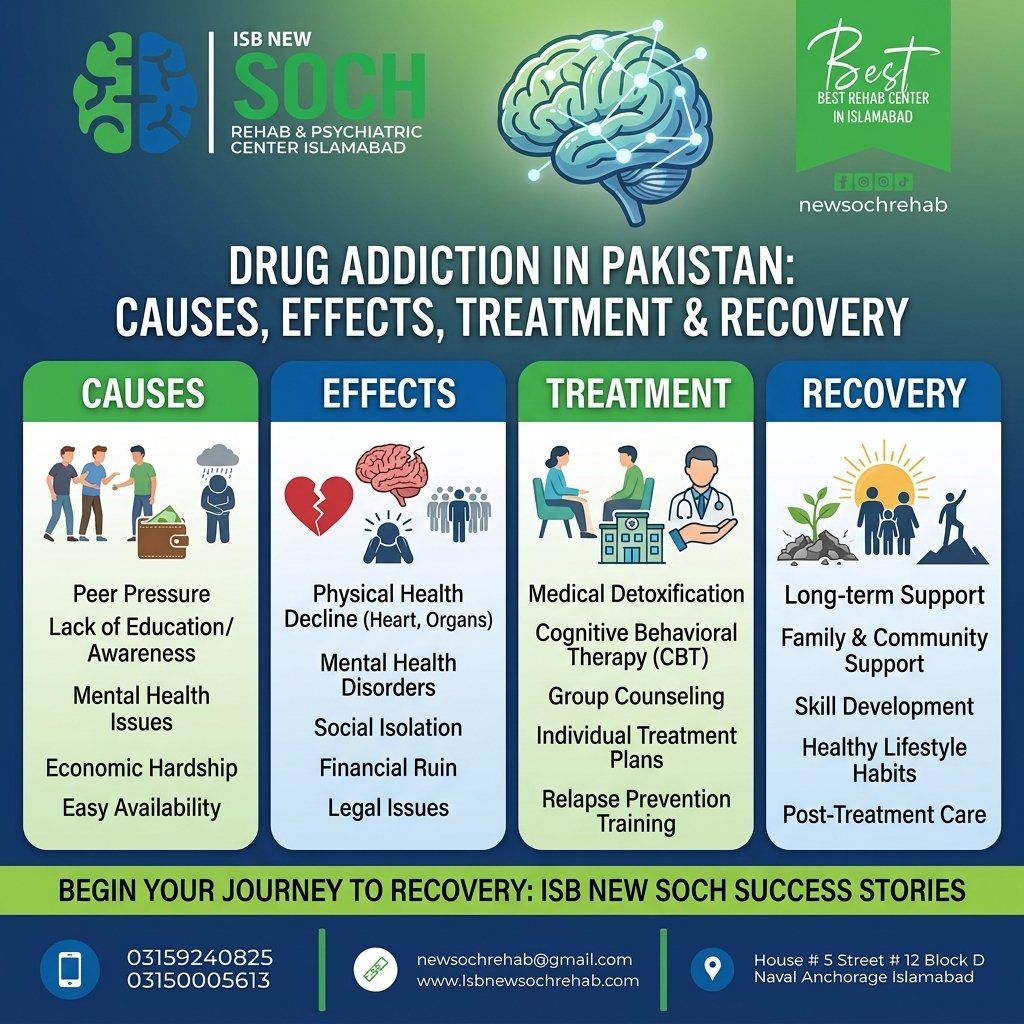
Alcohol Addiction Treatment
Treatment should be tailored to the individual’s health, drinking history, withdrawal risk, mental health, and personal circumstances.
A comprehensive treatment plan may include several components.
Medical Assessment
A healthcare professional may evaluate physical health, withdrawal risk, medications, previous treatment, and other relevant factors.
Withdrawal Management
When medically necessary, withdrawal can be monitored and managed in an appropriate healthcare setting.
Psychological Counseling
Therapy can help individuals understand drinking patterns, identify triggers, develop coping skills, and work toward behavioral change.
Psychiatric Care
Psychiatric support may be appropriate when depression, anxiety, trauma, or another mental health condition occurs alongside alcohol use disorder.
Family Support
Family counseling can help relatives understand addiction, improve communication, and establish healthier boundaries.
The Importance of Behavioral Therapy
Behavioral approaches can help people recognize the connection between thoughts, emotions, situations, and drinking behavior.
Therapy may focus on:
- Identifying triggers
- Managing cravings
- Developing healthy coping strategies
- Improving problem-solving skills
- Strengthening motivation
- Preventing relapse
Treatment should be adjusted according to the person’s progress and changing needs.
Role of Family in Alcohol Recovery
Alcohol addiction can affect the whole family. Relatives may experience stress, anger, fear, financial pressure, or loss of trust.
Families can provide useful support by:
- Encouraging professional treatment
- Listening without unnecessary judgment
- Supporting healthy routines
- Participating in appropriate family counseling
- Maintaining clear boundaries
- Learning about alcohol use disorder
Family members should also care for their own emotional health. They cannot control another person’s recovery, but they can provide appropriate support and encourage professional assistance.
Relapse Prevention and Long-Term Recovery
Recovery doesn’t necessarily end when withdrawal management or residential treatment is completed. Some people continue to experience cravings or face situations that increase the risk of returning to alcohol.
A relapse-prevention plan may involve:
- Identifying personal triggers.
- Recognizing early warning signs.
- Developing alternative responses to cravings.
- Maintaining supportive relationships.
- Attending follow-up appointments.
- Establishing healthy sleep and daily routines.
- Managing stress in healthier ways.
- Seeking professional help when difficulties increase.
A return to drinking should be treated as a reason to reassess treatment needs rather than as proof that recovery is impossible.
When Professional Help May Be Needed
Consider seeking professional assessment when alcohol use is affecting health, relationships, employment, finances, or daily responsibilities.
Urgent medical attention is especially important when someone experiences severe withdrawal, seizures, hallucinations, extreme confusion, difficulty breathing, loss of consciousness, suicidal thoughts, or other serious symptoms.
Emergency symptoms should be handled through immediate medical services rather than an online consultation or routine appointment.
Alcohol Addiction Care at New Soch Rehab and Psychiatric Center Islamabad
New Soch Rehab and Psychiatric Center Islamabad provides a setting where alcohol-related concerns can be discussed with attention to individual needs and overall well-being.
Appropriate care may involve addiction assessment, counseling, psychiatric support, family participation, relapse-prevention planning, and continuing aftercare. The right treatment approach depends on each person’s clinical circumstances.
The goal of professional care is to support informed, safe, and sustainable recovery rather than promise a guaranteed outcome.
Frequently Asked Questions
1. Is alcohol addiction a medical condition?
Yes. Alcohol use disorder is a recognized health condition involving problematic alcohol use that can cause significant impairment or distress. It can affect physical health, mental health, and daily functioning.
2. Can someone with alcohol dependence stop drinking suddenly?
Sudden alcohol withdrawal can be dangerous for people with significant physical dependence. Medical assessment is recommended before stopping, particularly after heavy or regular alcohol use.
3. What happens during alcohol addiction treatment?
Treatment may include assessment, withdrawal management when necessary, counseling, behavioral therapy, psychiatric care, family support, and relapse-prevention planning.
4. Can alcohol addiction occur with depression or anxiety?
Yes. Alcohol use disorder and mental health conditions can occur together. When they do, treatment may need to address both substance use and psychological health.
5. How can family members help someone with alcohol addiction?
Family members can encourage professional care, communicate without unnecessary judgment, support healthy routines, establish boundaries, and participate in family counseling when appropriate.
Conclusion
Alcohol addiction can have serious consequences, but seeking professional support is an important step toward recovery. Treatment may involve more than stopping alcohol use; it can also address cravings, behavioral patterns, mental health concerns, family relationships, and long-term relapse prevention.
At New Soch Rehab and Psychiatric Center Islamabad, alcohol-related care can be approached through individualized assessment and evidence-informed support. With appropriate professional guidance and continued care, individuals can work toward improved health, stability, and recovery.