Drug Addiction in Pakistan is an important public health and social concern that can affect individuals, families, workplaces, and communities. Addiction isn’t simply a matter of poor choices or weak willpower. It is a complex health condition that can involve changes in the brain, physical dependence, emotional difficulties, and social challenges.
People may begin using drugs for different reasons. Some are influenced by peer pressure, while others use substances to cope with stress, trauma, pain, loneliness, or mental health problems. Whatever the starting point, repeated drug use can gradually become difficult to control.
At New Soch Rehab and Psychiatric Center Islamabad, understanding addiction as a health condition can help individuals and families approach treatment with greater compassion and realistic expectations.
Understanding Drug Addiction in Pakistan
Drug addiction refers to a pattern of substance use that becomes difficult to control and continues despite harmful consequences. A person may develop strong cravings, spend considerable time obtaining or using drugs, and neglect important responsibilities.
Addiction can involve substances such as opioids, heroin, methamphetamine, cannabis, cocaine, prescription medicines, and other drugs. The effects differ according to the substance, dose, method of use, frequency, and the individual’s physical and mental health.
What Is Substance Use Disorder?
Substance use disorder is a medical condition characterized by problematic substance use that causes significant impairment or distress. It can range from mild to severe.
Common features may include:
- Strong cravings
- Difficulty reducing or stopping use
- Tolerance to the substance
- Withdrawal symptoms
- Problems at work, school, or home
- Continued use despite health consequences
- Loss of interest in previously important activities
Not everyone who uses a substance develops an addiction. However, repeated or risky use can increase the likelihood of developing a substance use disorder.
Why Drug Addiction Is a Growing Concern
Addiction can affect people from different social and economic backgrounds. Young people may be particularly vulnerable when they face peer pressure, limited support, emotional distress, or easy access to substances.
The consequences can extend beyond the person using drugs. Families may experience conflict, financial difficulties, emotional distress, and concerns about safety. Communities can also experience increased healthcare needs and other social problems.
Major Causes of Drug Addiction
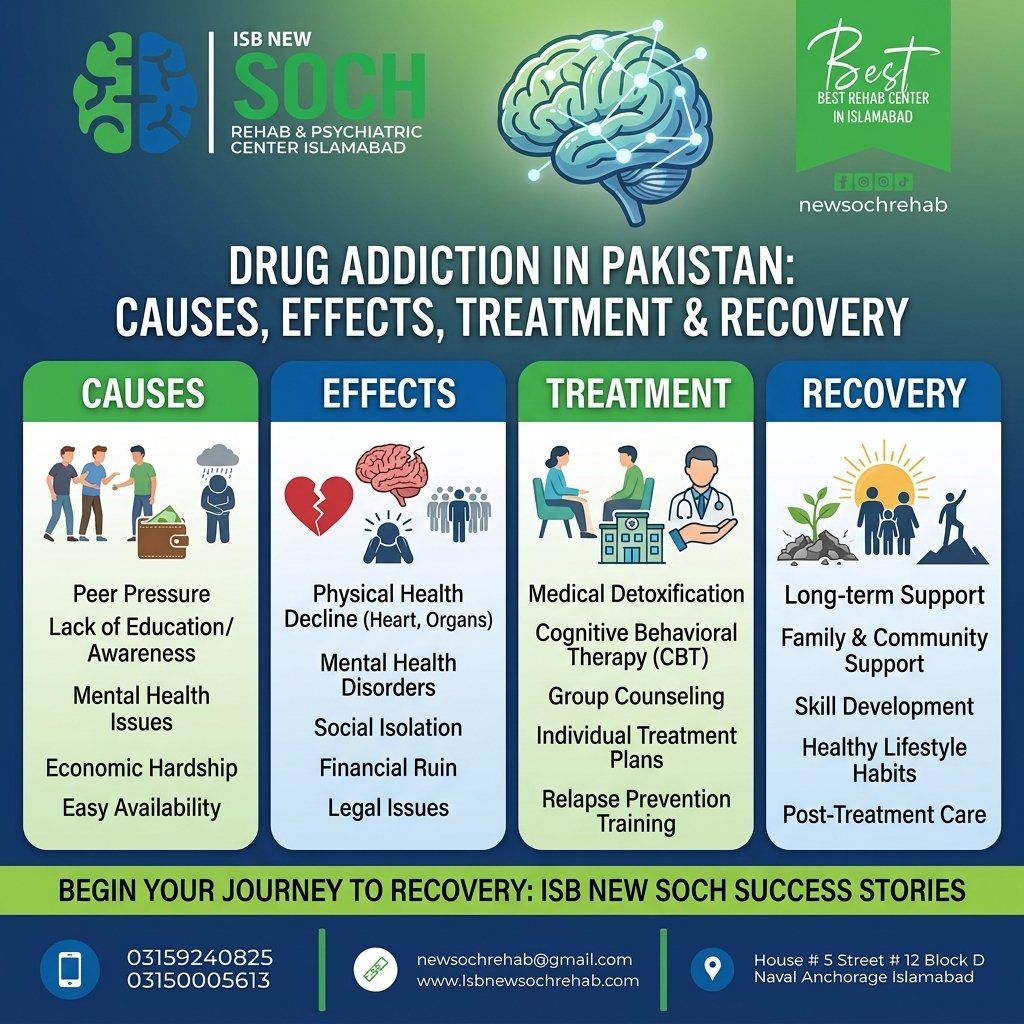
There is no single cause of addiction. Instead, biological, psychological, social, and environmental factors can interact.
Psychological and Emotional Factors
Some people turn to drugs as a way of dealing with difficult emotions. Stress, anxiety, depression, trauma, grief, and loneliness may increase vulnerability.
Drugs can temporarily change mood or reduce emotional discomfort. However, this short-term relief can lead to repeated use and eventually worsen psychological problems.
Social and Environmental Influences
Peer pressure and social surroundings can strongly influence substance use. Spending time with people who regularly use drugs may make experimentation seem normal or acceptable.
Other factors can include:
- Unstable living conditions
- Social isolation
- Exposure to substance use
- Academic or employment difficulties
- Financial stress
- Lack of positive recreational opportunities
These factors don’t automatically cause addiction, but they may increase risk.
Family and Genetic Factors
A family history of addiction can increase vulnerability because genetics can influence how a person responds to substances. Family conflict, neglect, or exposure to substance use may also contribute to risk.
At the same time, having a family history doesn’t mean someone will necessarily develop addiction. Protective factors such as supportive relationships and early intervention can make a meaningful difference.
Effects of Drug Addiction
The effects of addiction can be physical, psychological, behavioral, financial, and social.
Physical Health Effects
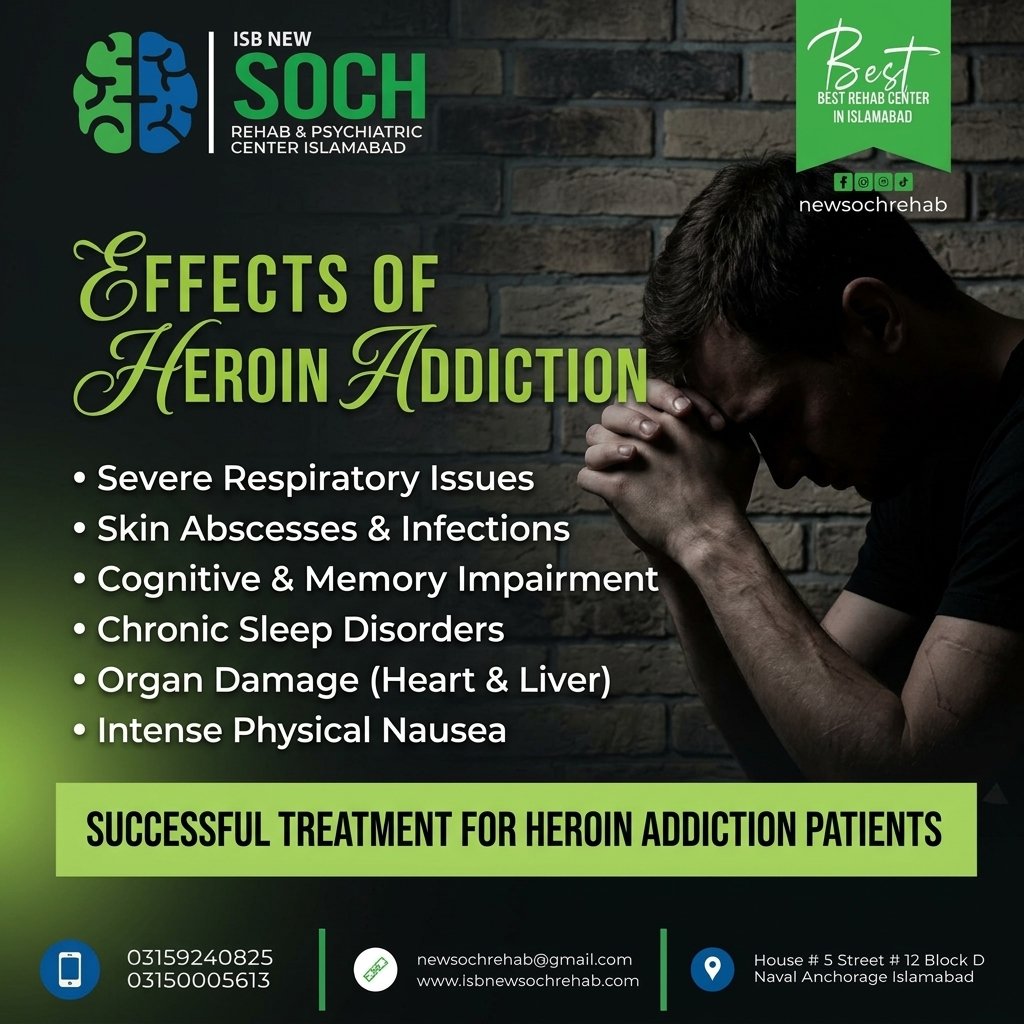
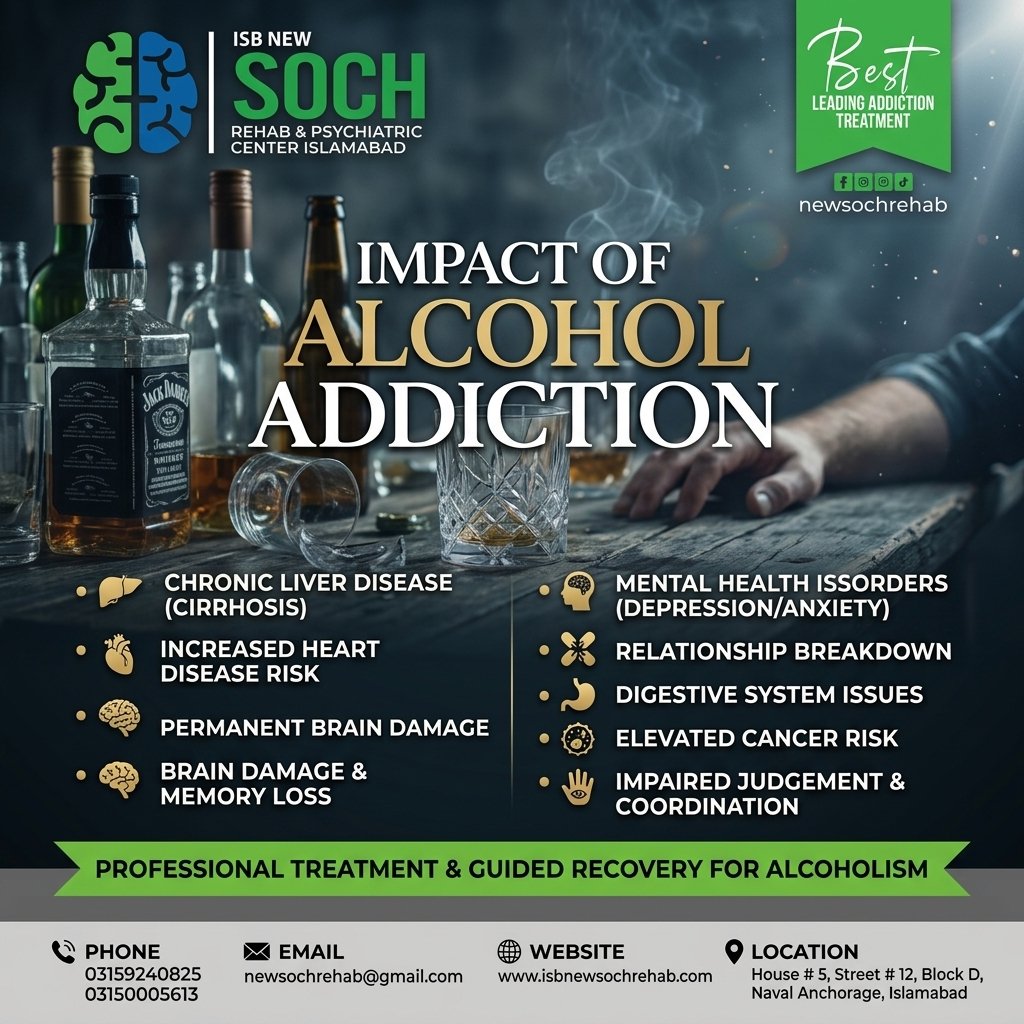
Different drugs affect the body in different ways. Long-term or heavy use may contribute to:
- Heart and blood pressure problems
- Liver and kidney damage
- Respiratory difficulties
- Neurological problems
- Poor nutrition
- Sleep disturbances
- Increased risk of infections
- Accidental injuries and overdose
Injecting drugs can create additional risks, including serious infections and transmission of blood-borne diseases when equipment is shared.
Mental Health Effects
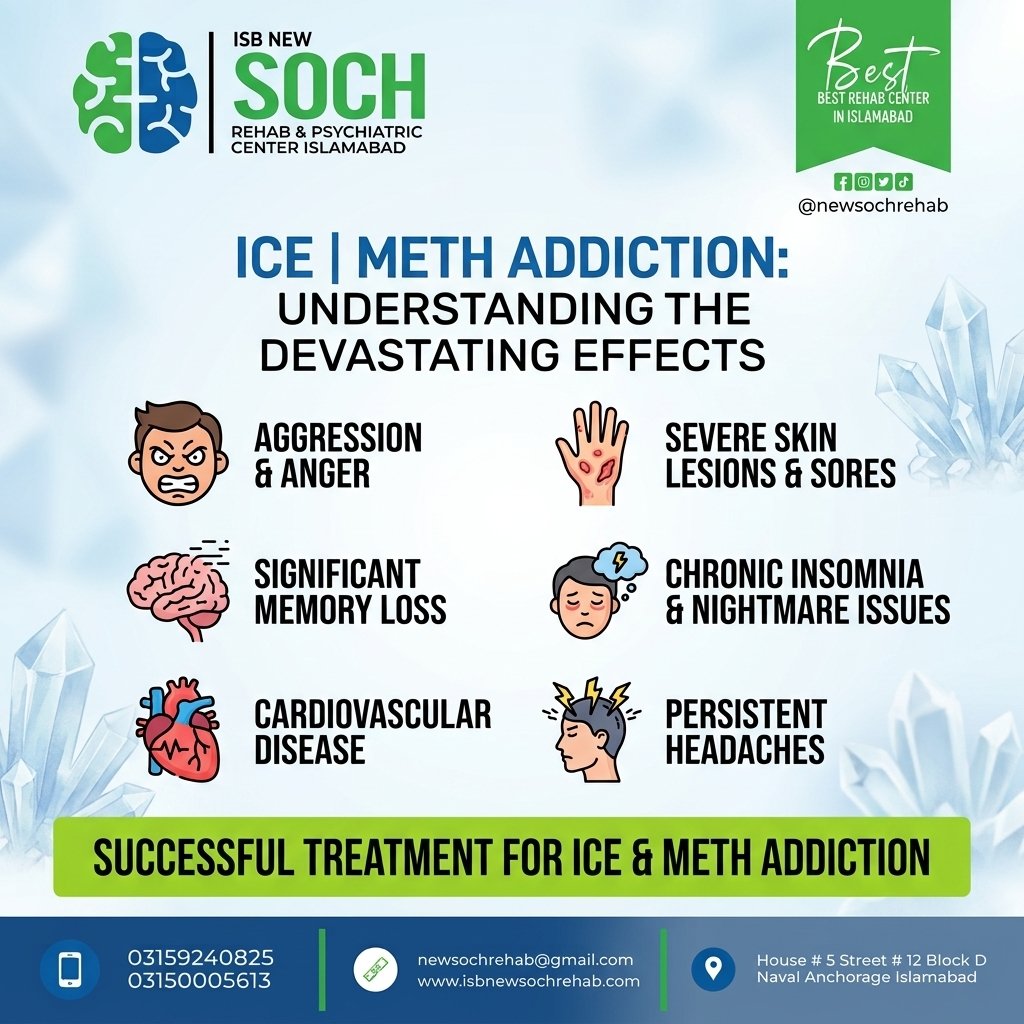
Drug use and mental health problems can influence each other. Some substances can worsen existing depression or anxiety, while others may contribute to paranoia, agitation, or psychotic symptoms.
Methamphetamine and other stimulants, for example, can cause severe agitation or paranoia in some users. Heavy or prolonged use may also interfere with sleep, concentration, and emotional stability.
When addiction occurs alongside a mental health disorder, both conditions should be assessed and addressed.
Effects on Families and Society
Addiction can place significant pressure on family relationships. Trust may decline when a person repeatedly hides substance use or fails to meet responsibilities.
Other consequences can include:
- Missed work or school
- Financial difficulties
- Family conflict
- Social isolation
- Legal problems
- Loss of employment
- Reduced academic performance
Recognizing these consequences can encourage earlier intervention rather than waiting until problems become severe.
Warning Signs of Drug Addiction
Early signs aren’t always obvious, but changes in behavior can provide important clues.
Potential warning signs include:
- Sudden changes in friends or social activities.
- Unexplained financial problems.
- Secretive or defensive behavior.
- Major changes in sleep or appetite.
- Declining school or work performance.
- Loss of interest in normal activities.
- Frequent mood changes.
- Physical signs associated with a particular substance.
- Repeated attempts to stop without success.
- Continued drug use despite obvious harm.
A single sign doesn’t prove addiction. A qualified professional can provide a proper assessment.
Drug Withdrawal and Dependence
Physical dependence occurs when the body adapts to repeated substance exposure. If use is suddenly reduced or stopped, withdrawal symptoms may occur.
Symptoms depend heavily on the substance. They can include anxiety, sweating, nausea, vomiting, shaking, insomnia, body aches, irritability, or intense cravings.
Withdrawal from some substances can be medically dangerous. Alcohol and benzodiazepine withdrawal, for example, can cause serious complications, including seizures and delirium. For this reason, people should avoid assuming that abruptly stopping a substance is always safe.
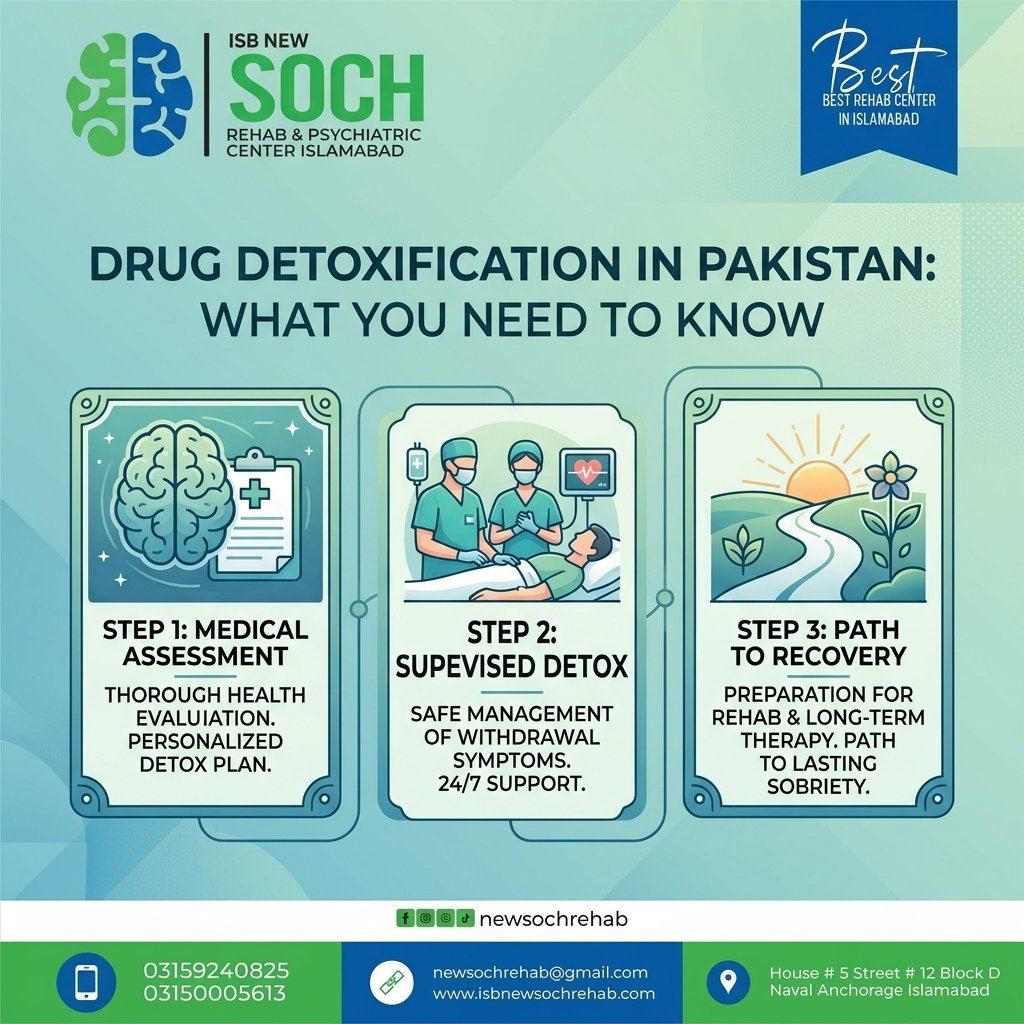
Why Detox Should Be Medically Supervised
Medical assessment before detox can help identify health problems, other substances being used, previous withdrawal complications, and mental health concerns.
Detoxification focuses mainly on managing the physical effects of stopping a substance. It doesn’t, by itself, address the reasons addiction developed or provide all the skills needed for long-term recovery.
Drug Addiction Treatment in Pakistan
Treatment should be based on the person’s substance use, medical condition, psychological needs, family circumstances, and recovery goals.
Depending on the assessment, treatment may involve several stages.
Medical Detoxification
Supervised detox can provide monitoring and appropriate medical support during withdrawal. The level of care required depends on the substance and the individual’s health.
Some people may need a higher level of medical monitoring, while others may be suitable for less intensive care.
Counseling and Behavioral Therapy
Counseling can help individuals understand triggers and develop healthier ways to handle stress and cravings.
Behavioral therapy may address:
- Substance-use patterns
- Negative thinking
- Emotional regulation
- Coping skills
- Relationships
- Motivation for change
- Relapse prevention
Treatment works best when the approach is matched to the individual’s needs rather than using the same plan for everyone.
Psychiatric and Dual-Diagnosis Care
People with addiction may also experience depression, anxiety, trauma-related disorders, bipolar disorder, or other psychiatric conditions.
When both addiction and mental health problems are present, treating them together can provide a more complete approach to care. Psychiatric assessment may help identify symptoms that require additional treatment.
Role of Family in Addiction Recovery
Family support can be valuable, but supporting someone with addiction doesn’t mean protecting them from every consequence of their behavior.
Healthy family involvement may include:
- Listening without constant judgment
- Encouraging professional treatment
- Learning about addiction
- Establishing clear boundaries
- Avoiding financial or behavioral enabling
- Supporting healthy routines
- Participating in family counseling when appropriate
Families also need support for their own emotional well-being. Addiction affects more than one person.
Relapse Prevention and Long-Term Recovery
Recovery is an ongoing process. After the initial treatment phase, people may still encounter cravings, stress, social pressure, or emotional triggers.
A relapse-prevention plan may include:
- Identifying personal triggers
- Avoiding high-risk situations when possible
- Maintaining counseling or recovery support
- Building a stable daily routine
- Improving sleep and physical activity
- Developing healthy social connections
- Learning practical coping strategies
- Seeking help quickly when warning signs appear
A return to drug use should be taken seriously, but it doesn’t mean treatment has failed permanently. It can indicate that the treatment plan needs to be reassessed.
Treatment at New Soch Rehab and Psychiatric Center Islamabad
New Soch Rehab and Psychiatric Center Islamabad provides a structured setting for individuals and families seeking professional support for addiction and related mental health concerns.
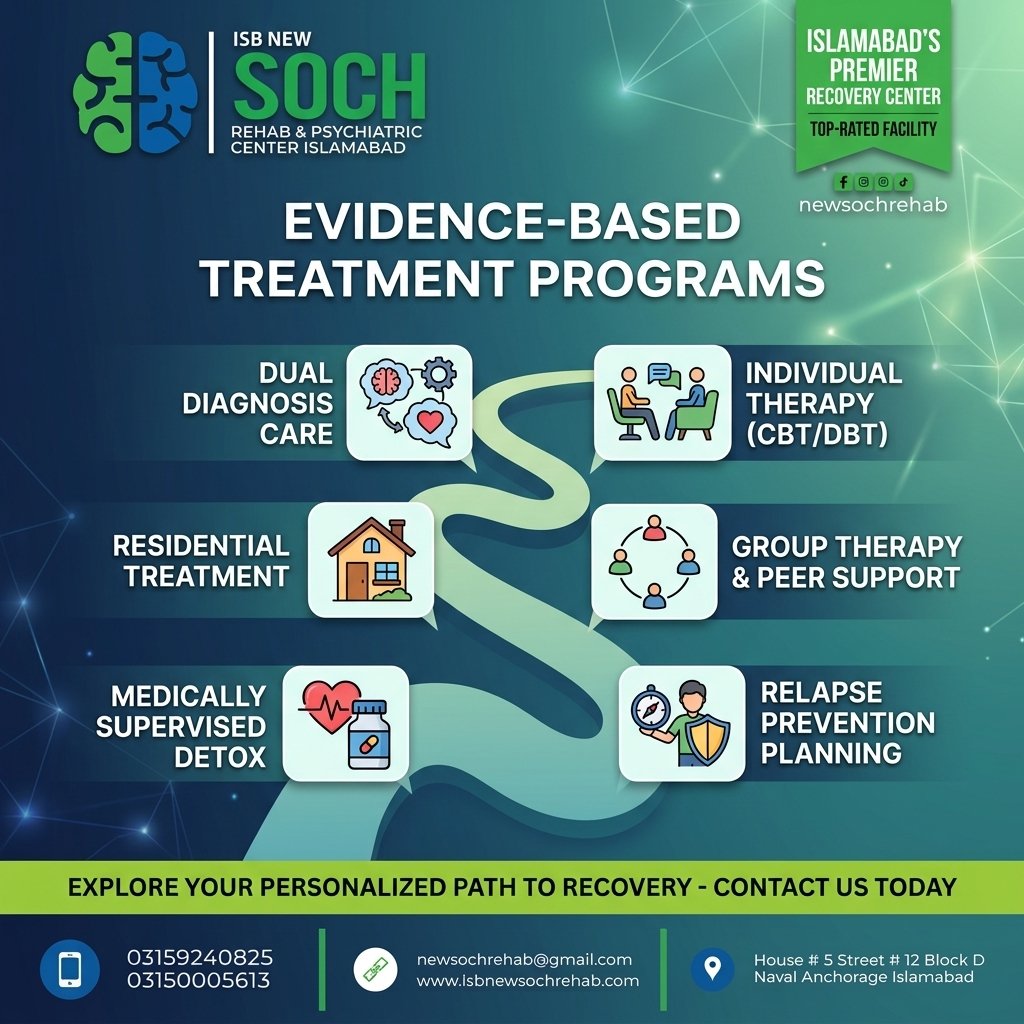
Care may involve an initial assessment followed by an individualized treatment plan. Depending on the person’s needs, this can include withdrawal management, addiction counseling, psychiatric evaluation, behavioral therapy, family support, and relapse-prevention planning.
The focus of effective addiction care should extend beyond stopping drug use. Long-term recovery also involves improving mental health, rebuilding relationships, developing healthier coping mechanisms, and creating a stable lifestyle.
Frequently Asked Questions
1. What are the main causes of drug addiction in Pakistan?
Drug addiction can develop through a combination of factors, including peer pressure, family history, trauma, mental health problems, chronic stress, social environment, and repeated exposure to addictive substances.
2. What are the common signs of drug addiction?
Common signs include strong cravings, loss of control over drug use, changes in behavior, declining work or school performance, financial problems, withdrawal symptoms, and continued use despite harmful consequences.
3. Can drug addiction be treated?
Yes. Treatment can include medical care, counseling, behavioral therapy, psychiatric support, medication where appropriate, family involvement, and continuing recovery support.
4. Is detoxification enough to treat addiction?
No. Detox can help manage withdrawal, but it doesn’t address all the psychological and behavioral factors behind addiction. Continuing treatment is often important for reducing relapse risk.
5. How can families help someone with addiction?
Families can encourage professional treatment, provide emotional support, establish healthy boundaries, learn about addiction, and avoid behaviors that unintentionally enable continued substance use.
Conclusion
Drug Addiction in Pakistan is a complex health issue that requires understanding, professional assessment, and appropriate treatment. Addiction can affect physical health, mental well-being, family relationships, education, employment, and social life, but seeking help can be an important first step toward recovery.
Effective care should look at the whole person rather than focusing only on the substance. Medical support, counseling, psychiatric care, family involvement, and relapse-prevention strategies can all contribute to a more comprehensive recovery plan.
For individuals and families in Islamabad, New Soch Rehab and Psychiatric Center Islamabad can provide professional guidance for assessing addiction and exploring suitable treatment options.