Heroin addiction is a serious substance use disorder that can affect a person’s physical health, mental well-being, relationships, education, work, and overall quality of life. Because heroin can produce strong physical dependence, stopping its use may be difficult without appropriate medical and psychological support.
At New Soch Rehab and Psychiatric Center Islamabad, understanding heroin addiction begins with recognizing that it is a health condition rather than simply a lack of willpower. With proper assessment, treatment, counseling, family involvement, and continuing recovery support, people can work toward healthier and safer lives.
What Is Heroin Addiction?
Heroin is an opioid drug that can rapidly affect the brain. It may initially create feelings of pleasure, relaxation, or relief from emotional and physical discomfort. Repeated use can cause tolerance, meaning a person may need more of the drug to experience similar effects.
Over time, physical and psychological dependence can develop. A person may continue using heroin despite serious consequences because the brain and body have adapted to the substance.
Heroin addiction may involve:
- Strong cravings for heroin
- Difficulty controlling use
- Spending significant time obtaining or using the drug
- Neglecting responsibilities
- Continuing use despite health or relationship problems
- Withdrawal symptoms when use is reduced or stopped
How Heroin Affects the Brain and Body
Heroin is converted into morphine after entering the body. It binds to opioid receptors involved in pain, reward, and emotional regulation. Repeated exposure can change the brain’s reward and stress systems.
Physical Effects of Heroin
Heroin can cause drowsiness, slowed breathing, nausea, constipation, itching, and reduced alertness. With repeated use, serious health problems may develop.
Long-term risks can include infections, vein damage, respiratory problems, liver or kidney complications, and other medical conditions. When heroin is injected, sharing needles or other equipment can also increase the risk of blood-borne infections.
Psychological and Emotional Effects
Heroin addiction can affect mood, motivation, concentration, and emotional stability. Some people experience anxiety, depression, social withdrawal, or worsening symptoms of an existing mental health condition.
These difficulties can make recovery more complicated, especially when substance use and mental health problems occur together.
Common Signs of Heroin Addiction
Recognizing warning signs early can make it easier to seek appropriate help.
Possible signs include:
- Sudden changes in behavior or social circles
- Secretive behavior
- Neglect of work, school, or family responsibilities
- Financial problems
- Frequent drowsiness or appearing unusually sleepy
- Changes in sleep patterns
- Needle marks or unexplained physical symptoms
- Strong cravings
- Repeated unsuccessful attempts to stop using heroin
- Withdrawal symptoms between doses
Not every person will show all these signs. A professional assessment is needed to understand what is happening.
Causes and Risk Factors
There isn’t one single cause of heroin addiction. Several factors may contribute to the development of opioid dependence.
These can include:
- Previous substance use
- Family history of addiction
- Chronic pain or exposure to prescription opioids
- Trauma or prolonged stress
- Depression, anxiety, or other mental health conditions
- Social and environmental influences
- Early exposure to addictive substances
Understanding these factors can help treatment providers develop a more individualized recovery plan.
Health Risks and Complications
One of the most serious dangers associated with heroin is overdose. Heroin can slow or stop breathing, potentially causing brain injury or death.
The risk can become especially unpredictable when heroin is contaminated or contains other potent opioids. A person’s tolerance may also decrease after a period without use, increasing overdose risk if they return to a previous amount.
Other complications can include:
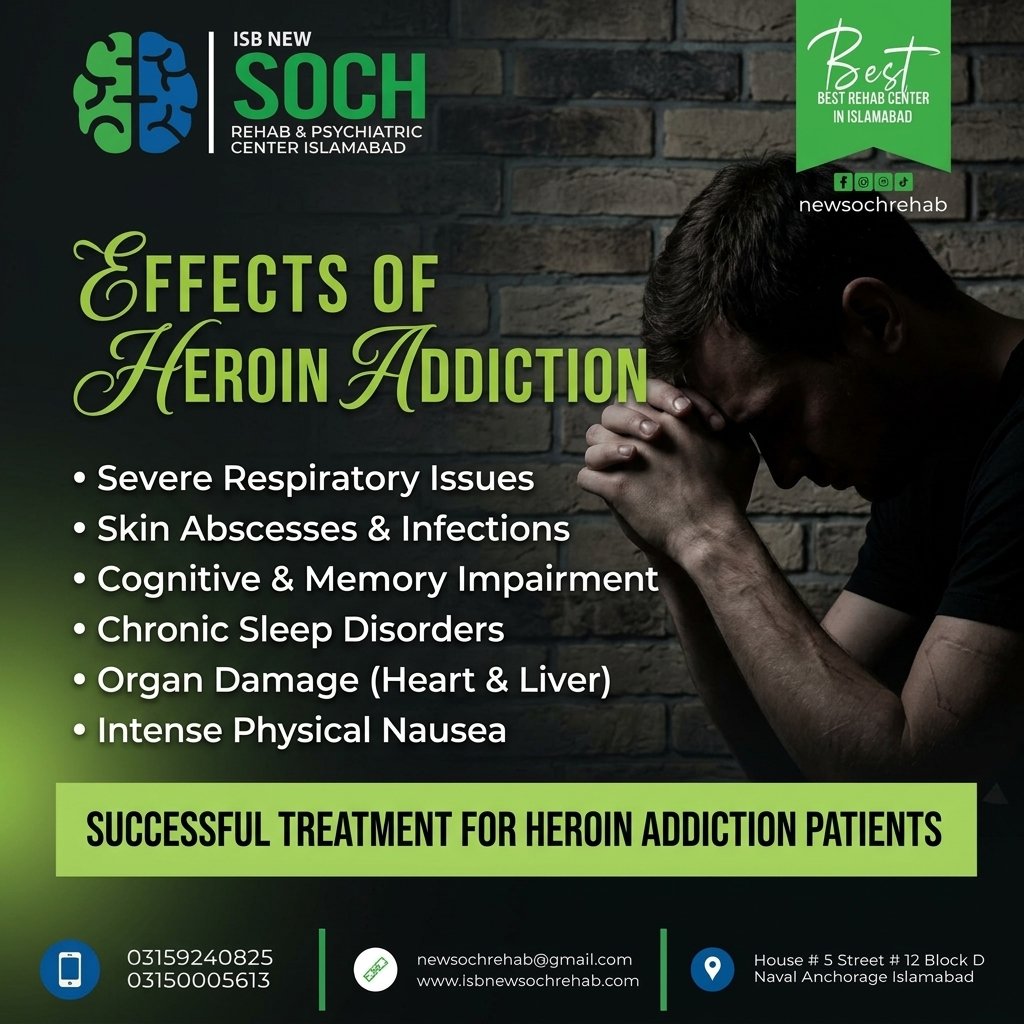
- Severe respiratory problems
- Loss of consciousness
- Infectious diseases
- Skin and soft-tissue infections
- Heart infections
- Malnutrition
- Mental health problems
- Relationship and financial difficulties
If someone has very slow or stopped breathing, cannot be awakened, or shows signs of a suspected opioid overdose, emergency medical help should be sought immediately.
Heroin Withdrawal and Dependence
Physical dependence means the body has adapted to repeated heroin exposure. When heroin use is reduced or stopped, withdrawal symptoms can occur.
Common symptoms may include:
- Muscle and bone aches
- Sweating
- Runny nose
- Restlessness
- Anxiety and irritability
- Abdominal cramps
- Diarrhea
- Nausea and vomiting
- Insomnia
- Strong cravings
Although opioid withdrawal is often not medically dangerous in the same way as severe alcohol or benzodiazepine withdrawal, symptoms can be intense. Dehydration, relapse, and overdose after reduced tolerance are important concerns.
Heroin Detoxification and Medical Care
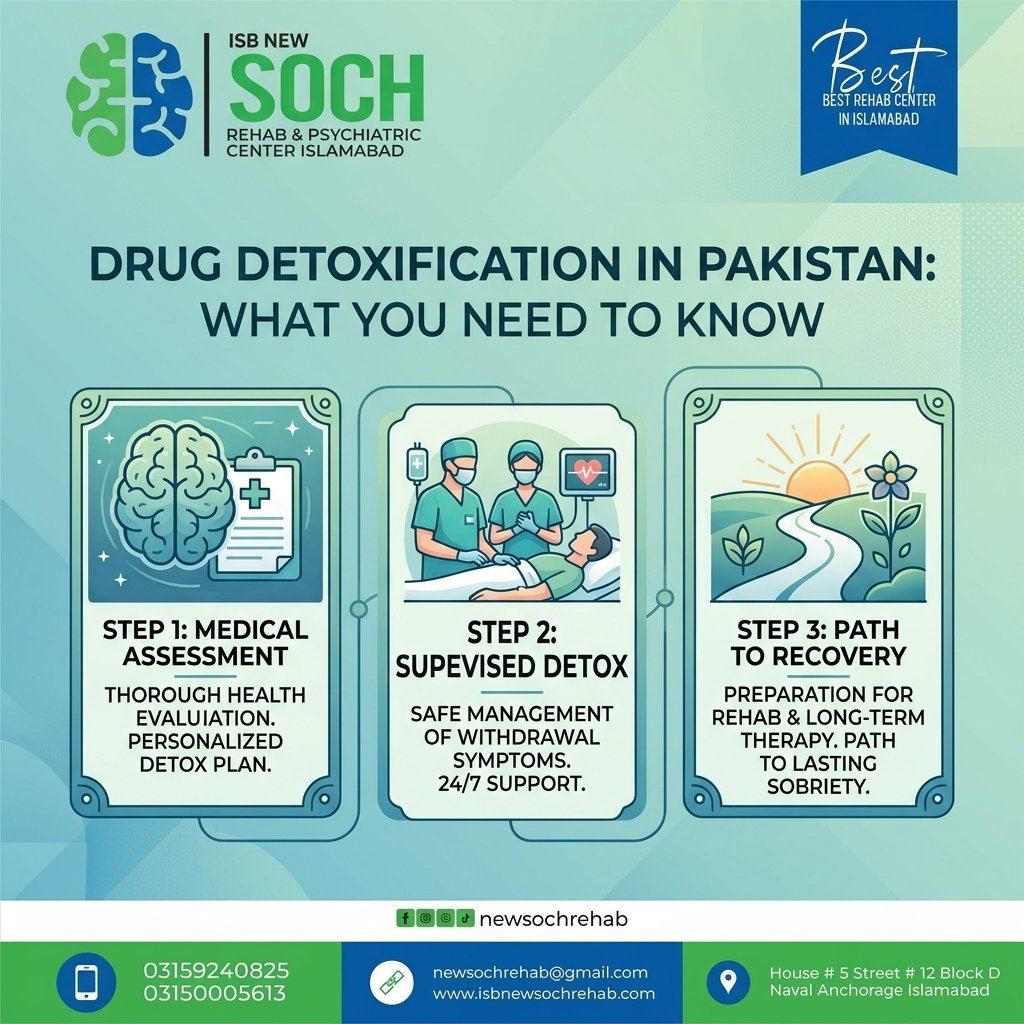
Detoxification is the process of allowing the body to clear a substance while withdrawal symptoms are monitored and managed. For heroin dependence, medically supervised detox may provide a safer and more structured approach than trying to stop alone.
Healthcare professionals may evaluate:
- Current heroin use
- Other substances being used
- Physical health
- Mental health
- Previous withdrawal experiences
- Overdose history
- Social and family circumstances
Detox is an important first step for some people, but detox alone doesn’t treat the underlying addiction. Continuing treatment is often necessary to address cravings, behavior, emotional health, and relapse risks.
Treatment Approaches for Heroin Addiction
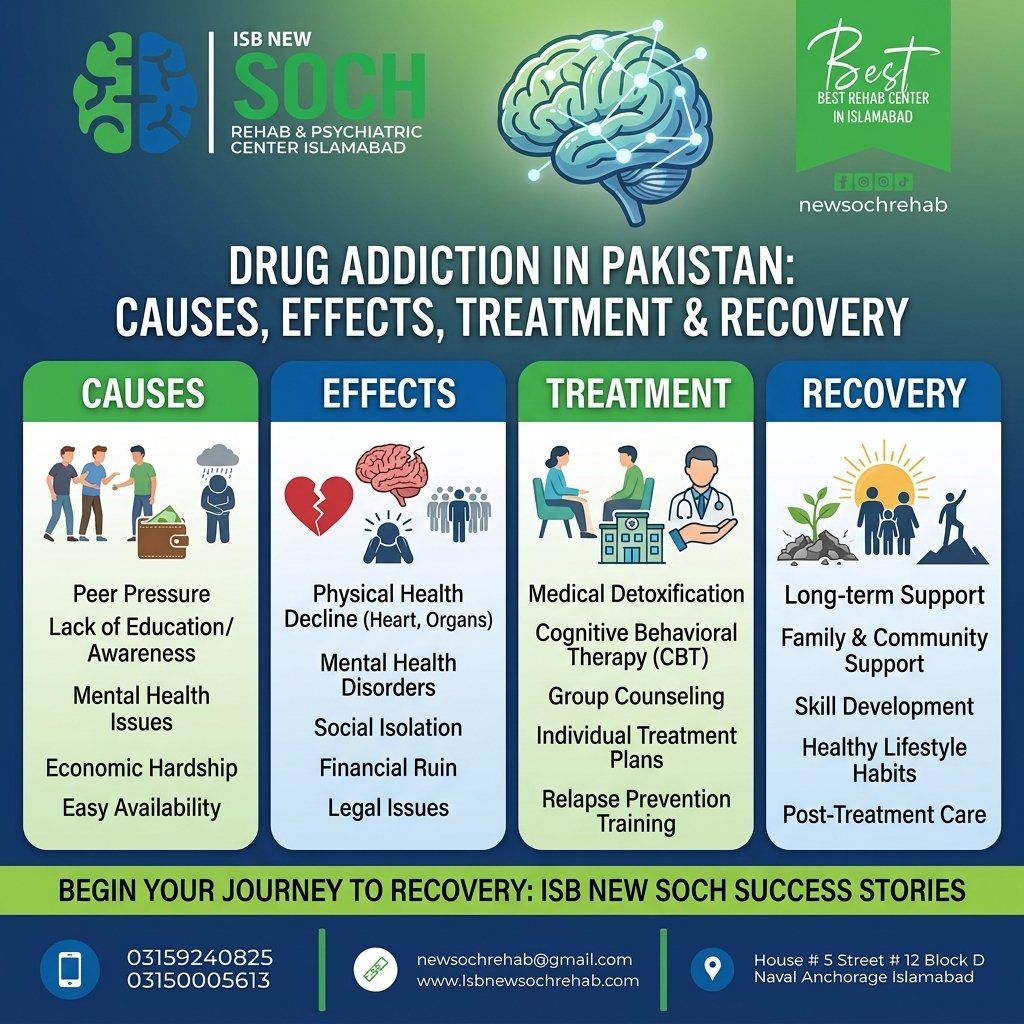
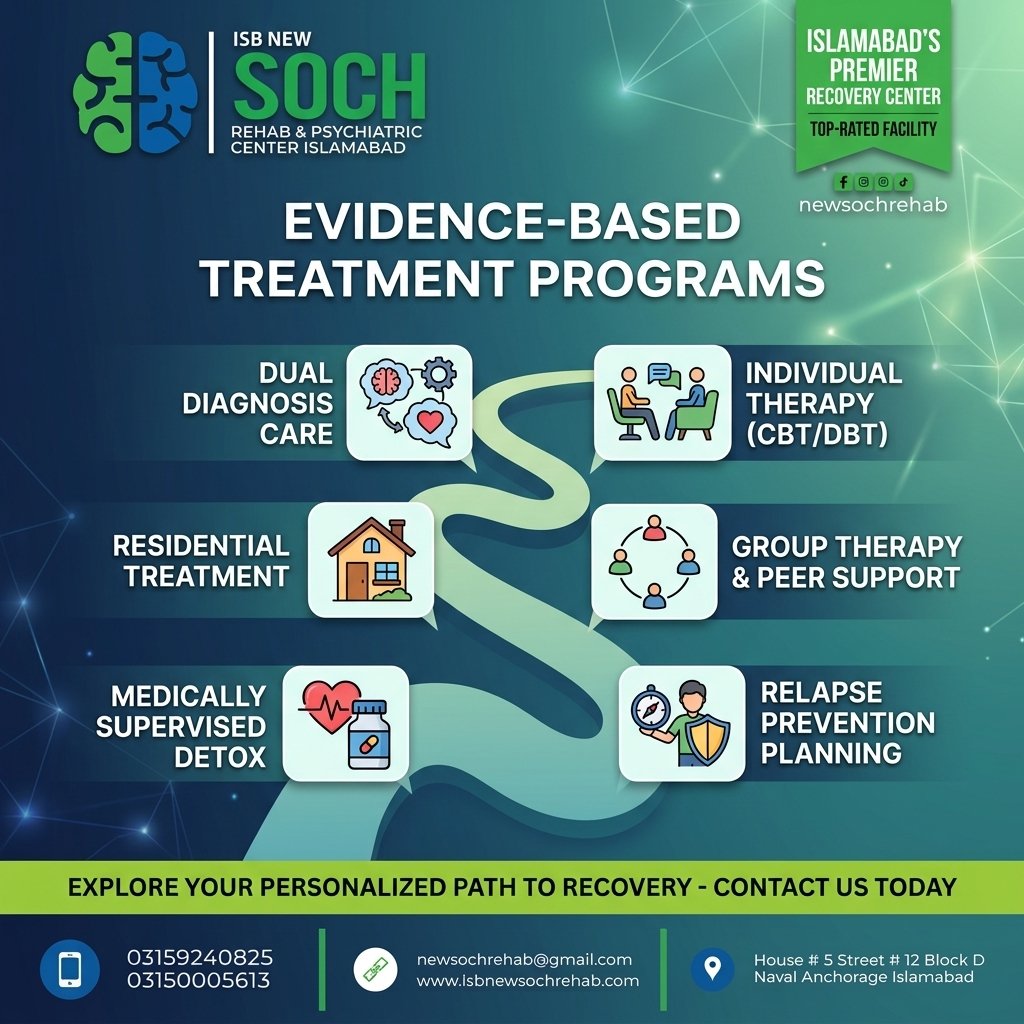
Effective treatment is usually tailored to the person’s needs. Depending on the assessment, care may include medical treatment, counseling, behavioral therapy, psychiatric support, family education, and continuing recovery planning.
Behavioral Therapy and Counseling
Therapy can help people understand the patterns that contribute to substance use. Counseling may focus on identifying triggers, managing cravings, developing healthier coping strategies, improving decision-making, and rebuilding daily routines.
Behavioral approaches can also help address stress, trauma, relationships, and other challenges connected with addiction.
Medication-Assisted Treatment
Medications such as methadone and buprenorphine can be used in evidence-based treatment for opioid use disorder. They can help reduce withdrawal symptoms and cravings and may lower the risk of illicit opioid use and overdose.
Medication decisions should always be made by qualified healthcare professionals after an appropriate assessment.
Dual Diagnosis and Mental Health
Some people with heroin addiction also experience depression, anxiety, trauma-related conditions, or other psychiatric disorders. Treating only the substance use while ignoring significant mental health concerns may leave important recovery needs unaddressed.
An integrated approach can assess both conditions and create a treatment plan that considers the whole person.
Family Support During Recovery
Family members can play an important role in recovery. Helpful support may include listening without judgment, encouraging professional treatment, maintaining appropriate boundaries, and learning about addiction.
Families should avoid actions that unintentionally enable continued drug use, such as repeatedly covering up serious consequences or providing money that may be used to obtain drugs.
Recovery is often easier when families communicate with compassion while maintaining healthy boundaries.
Relapse Prevention and Long-Term Recovery
Recovery doesn’t end when withdrawal symptoms disappear. Long-term planning can help people manage situations that may increase the risk of returning to heroin.
A relapse-prevention plan may include:
- Identifying personal triggers.
- Developing strategies for managing cravings.
- Avoiding high-risk environments when possible.
- Maintaining regular therapy or recovery support.
- Building healthy sleep, nutrition, and activity routines.
- Strengthening supportive relationships.
- Having a plan for responding quickly if a return to drug use occurs.
A lapse should be treated as a signal to reassess treatment needs rather than as proof that recovery is impossible.
When to Seek Professional Help
Professional help should be considered when heroin use becomes difficult to control, causes health problems, interferes with responsibilities, or continues despite repeated attempts to stop.
Immediate emergency assistance is appropriate for suspected overdose, including inability to wake the person, extremely slow or absent breathing, or severe loss of consciousness.
For ongoing addiction, an assessment by qualified addiction and mental healthcare professionals can help determine appropriate next steps.
Treatment at New Soch Rehab and Psychiatric Center Islamabad
New Soch Rehab and Psychiatric Center Islamabad focuses on structured care for people experiencing addiction and related mental health concerns. Treatment planning can consider the individual’s substance use history, physical health, psychological needs, family situation, and recovery goals.
A comprehensive approach may involve assessment, supervised withdrawal support when appropriate, counseling, psychiatric care, behavioral interventions, family involvement, and relapse-prevention planning.
The aim is not simply to stop substance use for a short period. Recovery also involves developing healthier coping skills, improving psychological well-being, and building sustainable routines.
Frequently Asked Questions
1. What is heroin addiction?
Heroin addiction is a substance use disorder involving compulsive or difficult-to-control heroin use despite harmful consequences. It can cause both physical dependence and psychological cravings.
2. Can heroin addiction be treated?
Yes. Heroin addiction can be treated through evidence-based approaches that may include medications, behavioral therapy, counseling, medical care, and long-term recovery support. Treatment should be individualized.
3. What are common heroin withdrawal symptoms?
Withdrawal may cause muscle aches, sweating, anxiety, restlessness, runny nose, stomach cramps, nausea, diarrhea, insomnia, and strong cravings.
4. Is heroin detox enough to overcome addiction?
No. Detox addresses the physical process of withdrawal but doesn’t by itself address the psychological, behavioral, and social factors associated with addiction. Continuing treatment can be important for sustained recovery.
5. Can family members help someone with heroin addiction?
Yes. Families can provide emotional support, encourage professional treatment, learn about addiction, and maintain healthy boundaries. Professional family counseling may also be useful.
Conclusion
Heroin addiction is a complex health condition that can affect nearly every part of a person’s life. Its risks include dependence, withdrawal, serious medical complications, and potentially fatal overdose. At the same time, addiction doesn’t have to define a person’s future.
Early assessment and appropriate treatment can provide a foundation for recovery. Medical care, behavioral therapy, mental health support, family involvement, and relapse-prevention planning can all have an important role. For individuals and families in Islamabad seeking professional guidance, New Soch Rehab and Psychiatric Center Islamabad can be considered as part of the process of exploring appropriate addiction and mental healthcare.