New Soch Rehab Best Rehabilitation Center Islamabad Pakistan

Yoga
- Home
- Our Treatment Programs
- Yoga
How Yoga is
Helpful in Addictions?
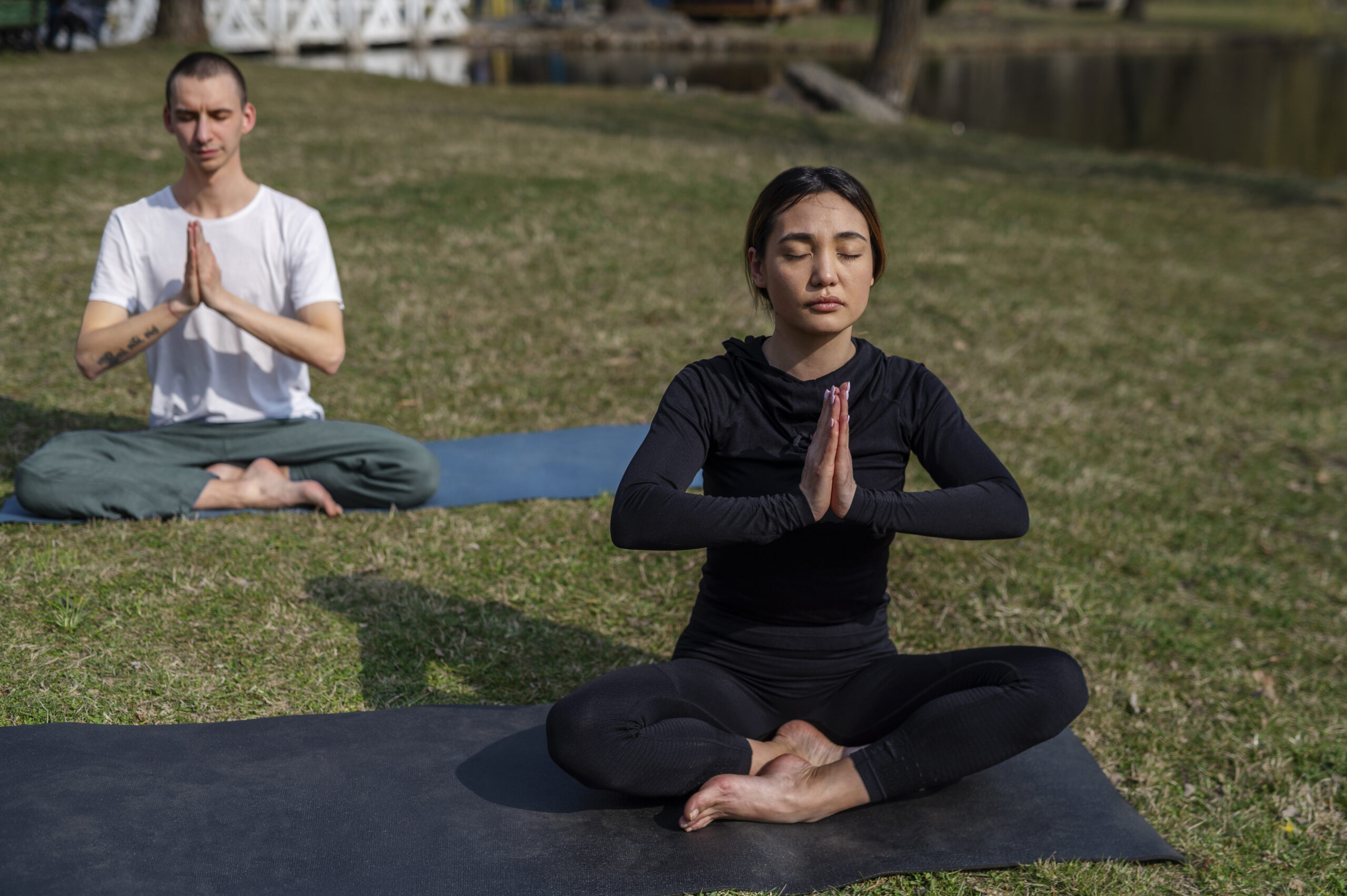
One of the key aspects of yoga is its focus on breath work and mindfulness. These practices can help individuals to manage cravings, reduce anxiety, and improve mood. In addition, yoga can help individuals to develop greater self-awareness, which can be helpful in recognizing triggers and developing coping strategies.
Yoga has been shown to be an effective complementary therapy for individuals with addiction and depression. It offers a holistic approach that focuses on physical, mental, and spiritual well-being. Yoga can help individuals to manage stress, improve mood, and increase overall feelings of well-being.

Research has demonstrated that yoga can be helpful in treating addiction to substances such as alcohol, ice, and tobacco. Yoga help to reduce cravings and withdrawal symptoms, improve mood and self-esteem, and increase motivation to stay sober. In addition, practicing yoga improve physical health, such as reducing blood pressure, improving sleep, and reducing inflammation, which can all be negatively affected by substance abuse.
In terms of depression, yoga has been shown to be effective in reducing symptoms and improving overall quality of life. Yoga can help to reduce stress, promote relaxation, and increase mindfulness, which can all contribute to improving mood and reducing symptoms of depression.
Examples of how yoga can be
Helpful for Specific Addictions
• Alcohol addiction: Yoga can help individuals to manage cravings and reduce the likelihood of relapse. It can also help to improve liver function, which can be negatively impacted by excessive alcohol consumption.
• Ice addiction: Yoga can help to reduce the physical and psychological symptoms of Ice withdrawal, such as muscle pain, anxiety, and depression.
• Tobacco addiction: Yoga can help to reduce nicotine cravings and withdrawal symptoms, as well as improve overall respiratory health.
Overall, incorporating yoga into a comprehensive treatment plan for addiction and depression can be highly beneficial. It can help individuals to manage symptoms, reduce stress, and improve overall quality of life.
At our Rehab Center Our Goal
At our rehab center, our goal is to incorporate yoga as a powerful tool for physical, mental, and emotional healing. Through guided yoga sessions, patients learn to enhance flexibility, improve physical health, and develop mindfulness, which supports overall recovery. Yoga complements traditional therapies by reducing stress, promoting relaxation, and encouraging a balanced lifestyle.
We aim to empower individuals to reconnect with their bodies, cultivate inner peace, and manage anxiety or cravings effectively. By integrating yoga into our holistic treatment programs, we help patients achieve mental clarity, emotional balance, and long-term wellness on their path to recovery.
Get the best treatment from the most experienced psychiatrists.
Receive the best treatment from highly experienced psychiatrists, providing expert care, personalized support, and effective solutions for mental health recovery.