Nalbin injection is a prescription medication used for pain management. Although it can provide relief under medical supervision, misuse or repeated use can lead to serious health complications and dependence. Understanding its medical uses, side effects, and potential risks is important for patients and families.
In Pakistan, concerns about the misuse of prescription injections make awareness particularly important. This guide explains what Nalbin injection is, how it works, and when professional medical help may be necessary.
What Is Nalbin Injection?
Nalbin is a brand name associated with nalbuphine, an opioid analgesic used to treat moderate to severe pain. It acts on opioid receptors in the nervous system to reduce the perception of pain.
Nalbuphine has mixed opioid activity, acting primarily as a kappa-opioid receptor agonist and a mu-opioid receptor antagonist. Despite its different receptor activity from some other opioids, it can still cause sedation, respiratory depression, and dependence-related concerns.
It should only be used under the direction of a qualified healthcare professional.
Medical Uses of Nalbin Injection
Doctors may prescribe nalbuphine for certain situations involving moderate to severe pain, including:
- Pain following surgery.
- Pain associated with medical procedures.
- Certain acute pain conditions.
- Pain management during childbirth in selected circumstances.
The medication is administered according to medical assessment and individual patient needs. It should never be used without a valid prescription or shared with another person.
Common Side Effects of Nalbin Injection
Like other opioid medications, Nalbin can cause side effects. Common reactions may include:
- Drowsiness and dizziness.
- Nausea or vomiting.
- Sweating.
- Dry mouth.
- Headache.
- Constipation.
- Light-headedness.
Patients should avoid driving or operating machinery if they feel sleepy or dizzy after receiving the medication.
Serious Risks and Precautions
Nalbuphine can cause serious complications, particularly when used incorrectly or combined with other sedating substances.
Important risks include:
- Respiratory depression: Slowed or difficult breathing.
- Severe sedation: Excessive sleepiness or reduced consciousness.
- Low blood pressure: Dizziness or fainting.
- Allergic reactions: Swelling, rash, or breathing difficulties.
- Withdrawal complications: It may trigger withdrawal in people physically dependent on certain full opioid agonists because of its receptor-blocking activity.
Combining Nalbin with alcohol, sleeping pills, benzodiazepines, or other sedating medications can increase the risk of dangerous breathing problems.
Seek emergency medical help if someone develops slow or difficult breathing, becomes unresponsive, or cannot be awakened.
Can Nalbin Injection Cause Addiction?

Nalbuphine has a lower potential for certain opioid-related effects than some full opioid agonists, but this does not mean it is risk-free.
Repeated misuse can lead to problematic use, psychological reliance, and physical dependence in some individuals. Risk may increase when the medication is used without medical supervision, in larger amounts than prescribed, or for nonmedical reasons.
People with an existing opioid dependence should be especially cautious. Nalbuphine can precipitate withdrawal in individuals dependent on certain opioids.
Signs of Nalbin Misuse
Possible warning signs include:
- Using the injection without a prescription.
- Seeking repeated injections despite medical advice.
- Taking the medication for emotional relief rather than pain treatment.
- Hiding medication use from family or healthcare providers.
- Experiencing cravings or difficulty stopping.
- Continuing use despite health, financial, or relationship problems.
These signs do not establish a diagnosis, but they may indicate a need for professional assessment.
Treatment for Nalbin Dependence
Treatment depends on the person’s pattern of use, physical health, and possible dependence on other substances.
A healthcare professional may recommend:
- Medical and psychiatric assessment.
- Supervised management of withdrawal symptoms.
- Psychological counseling and behavioral therapy.
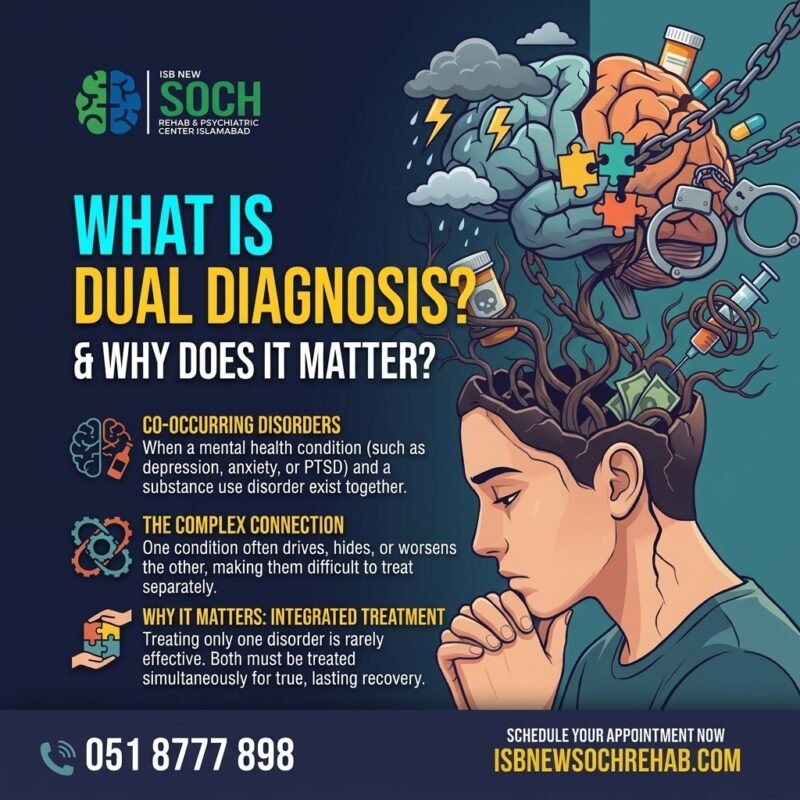
- Treatment for co-occurring mental health conditions.
- Ongoing recovery and relapse-prevention support.
People should not attempt to manage opioid dependence or abruptly change prescribed medication without medical advice.
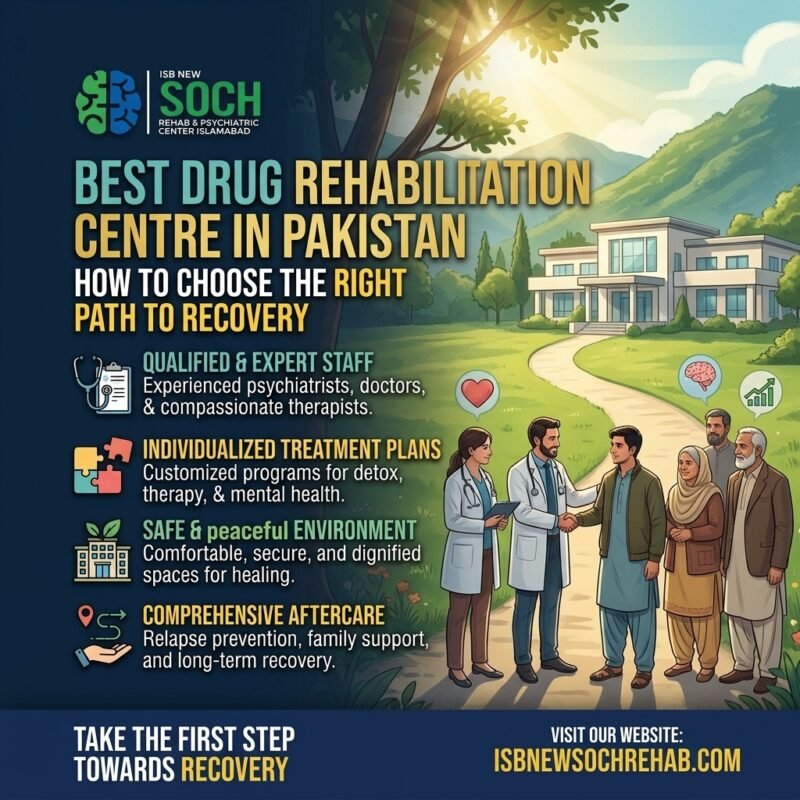
Individuals and families in Islamabad can contact New Soch Rehab and Psychiatric Center Islamabad to ask about available addiction assessment, psychiatric support, and treatment options.
Frequently Asked Questions
1. What is Nalbin injection used for?
Nalbin contains nalbuphine, an opioid pain medication used under medical supervision for moderate to severe pain in selected situations.
2. Can Nalbin injection cause addiction?
Misuse or repeated nonmedical use can lead to problematic use and dependence. It should only be taken under medical supervision.
3. What are the common side effects of Nalbin?
Common side effects include nausea, dizziness, sweating, drowsiness, dry mouth, and headache.
4. Can Nalbin injection cause withdrawal symptoms?
Yes. Dependence can lead to withdrawal symptoms when use is reduced or stopped. It can also trigger withdrawal in people dependent on certain other opioids.
5. Is Nalbin injection safe for everyone?
No. Safety depends on individual health, other medications, opioid tolerance, and medical history. A qualified healthcare professional should determine whether it is appropriate.
Conclusion
Nalbin injection can be useful for pain management when prescribed appropriately, but it carries important risks, including sedation, breathing difficulties, and potential dependence. Using it without medical guidance or combining it with other sedating substances can be dangerous.
Understanding its effects and recognizing signs of misuse can help prevent complications. Anyone concerned about Nalbin dependence should seek professional medical advice rather than attempting to manage the problem alone.