Finding the best drug rehabilitation centre in Pakistan is an important decision for individuals struggling with substance use and families looking for professional support. Drug addiction can affect physical health, mental well-being, relationships, education, and professional life. Choosing an appropriate rehabilitation facility can help individuals access structured treatment, develop healthier coping strategies, and work toward long-term recovery.
However, not every rehabilitation centre offers the same level of care. Treatment approaches, professional qualifications, medical supervision, facilities, and follow-up support can vary significantly. Families should look beyond advertisements and promises when comparing their options.
This guide explains how to evaluate a drug rehabilitation centre in Pakistan, what services to look for, and which questions to ask before making a decision.
Understanding Drug Rehabilitation
Drug rehabilitation is a structured process designed to help individuals reduce or stop harmful substance use and improve their overall health. It addresses more than the physical effects of drugs. Effective care may also focus on psychological difficulties, behavioral patterns, family relationships, and social challenges associated with addiction.
Depending on individual needs, rehabilitation may include:
- Medical and psychiatric assessment
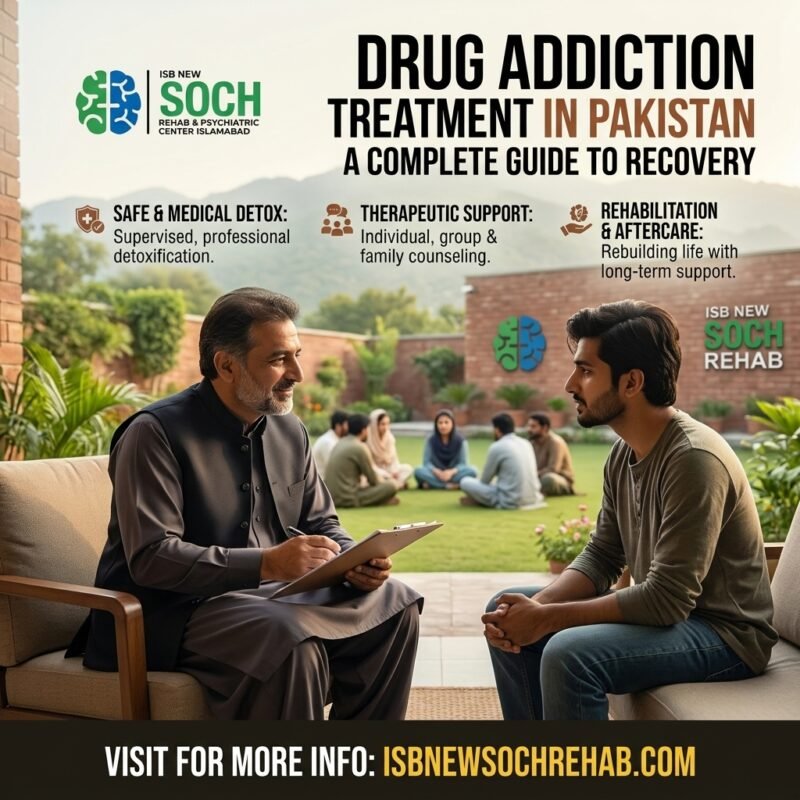
- Supervised detoxification when medically necessary
- Individual psychological counseling
- Group therapy and peer support
- Family counseling and education
- Treatment for co-occurring mental health conditions
- Relapse-prevention planning
- Ongoing recovery support
The appropriate treatment plan depends on the substance involved, duration and pattern of use, physical health, mental health, and personal circumstances.
Why Choosing the Right Rehabilitation Centre Matters
Selecting a suitable rehabilitation centre can influence a person’s safety, treatment experience, and access to ongoing care.
A well-organized treatment program should recognize that addiction is a complex health condition rather than a personal failure. It should treat individuals with dignity, protect their privacy, and involve them in decisions about their care.
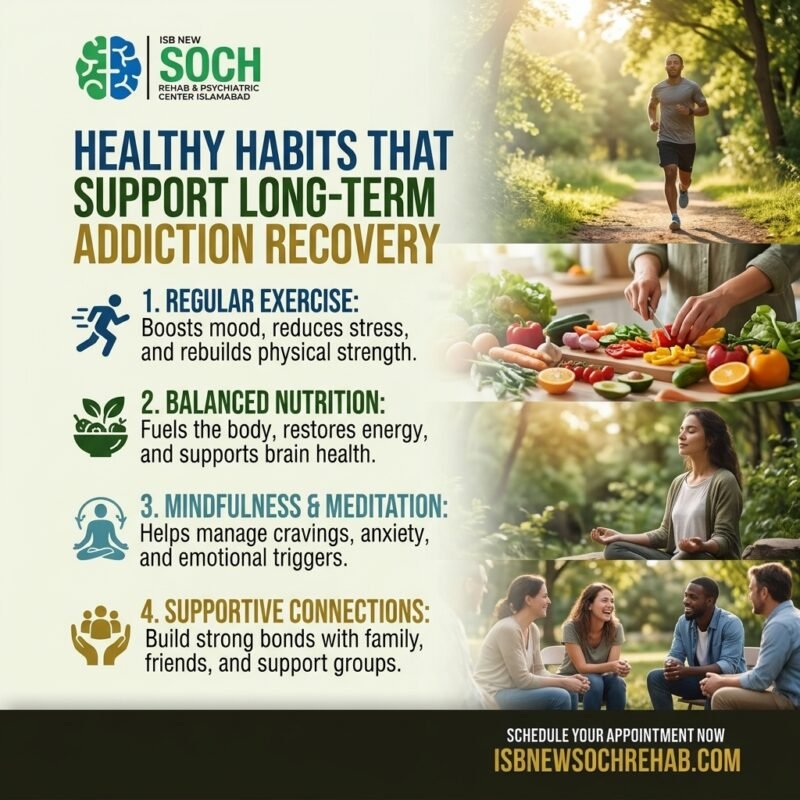
The right facility should also understand that recovery does not end when a residential program finishes. Continued support, healthy routines, and relapse-prevention strategies are important parts of long-term recovery.
For these reasons, families should take time to assess a facility instead of choosing one based only on price, location, or promotional claims.
Factors to Consider When Choosing a Drug Rehabilitation Centre in Pakistan
1. Qualified Medical and Mental Health Professionals
One of the most important considerations is whether the centre has appropriately qualified professionals involved in patient care.
Depending on the services offered, a treatment team may include:
- Medical doctors
- Psychiatrists
- Clinical psychologists
- Addiction counselors
- Nurses and other healthcare professionals
Ask about staff qualifications, clinical supervision, and who is responsible for medical decisions. If the centre provides detoxification or withdrawal management, confirm that appropriate medical supervision and emergency arrangements are available.
2. Individualized Treatment Plans
Addiction affects people differently. A treatment approach that works for one person may not be suitable for another.
A reliable rehabilitation program should begin with an individual assessment and develop a care plan based on the person’s health, substance-use history, psychological needs, and recovery goals.
Avoid facilities that promise the same treatment for everyone without conducting a proper assessment. Treatment should be reviewed and adjusted as the individual’s needs change.
3. Safe Detoxification and Withdrawal Management
Detoxification may be an important first step for people who have developed physical dependence on certain substances. However, detox alone does not treat the psychological, behavioral, and social factors associated with addiction.
Ask the facility:
- Is detoxification supervised by qualified medical professionals?
- How are withdrawal symptoms monitored?
- What happens if a medical complication develops?
- Is emergency hospital care available when required?
Withdrawal from alcohol and benzodiazepines can be life-threatening and may require medically supervised treatment. People should not attempt to manage potentially dangerous withdrawal without medical advice.
4. Evidence-Based Therapies
A quality rehabilitation program should use appropriate therapeutic approaches supported by clinical evidence.
Depending on the individual’s needs, treatment may include:
Cognitive Behavioral Therapy (CBT): Helps individuals recognize unhelpful thinking patterns and develop healthier responses to triggers and stress.
Motivational Interviewing: Supports individuals in exploring their reasons for change and strengthening motivation for recovery.
Group Therapy: Provides opportunities to learn coping strategies, share experiences, and receive encouragement in a structured setting.
Family Counseling: Helps address communication difficulties, rebuild trust, and educate family members about addiction and recovery.
Ask which therapies are available, who delivers them, and how progress is evaluated.
5. Mental Health and Dual Diagnosis Support
Some individuals experiencing addiction also have depression, anxiety, trauma-related symptoms, bipolar disorder, or other mental health conditions.
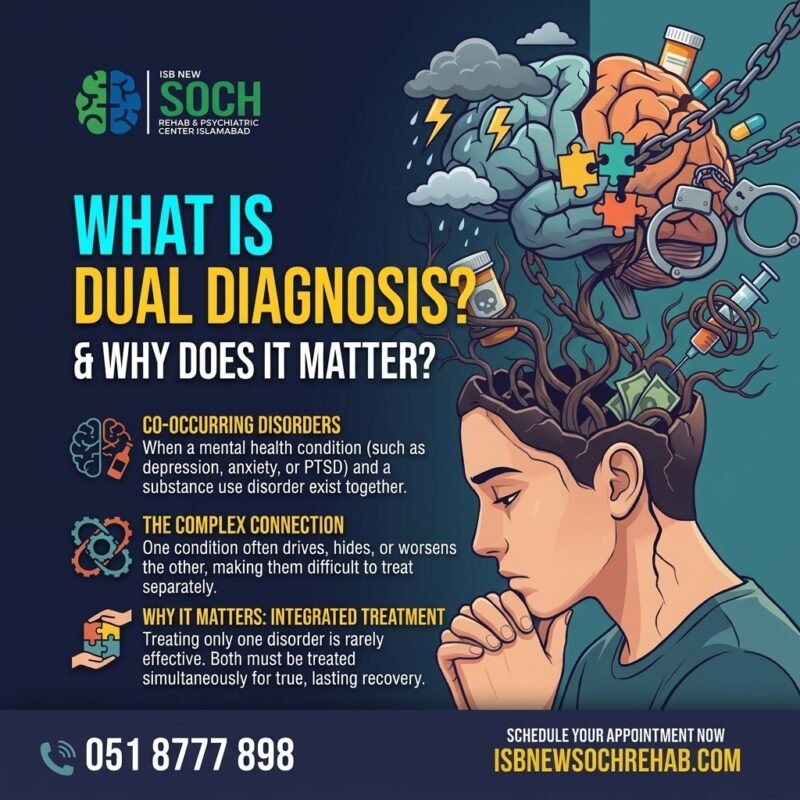
When addiction and a mental health condition occur together, this is often called a dual diagnosis or co-occurring disorder.
A suitable rehabilitation centre should be able to assess mental health concerns and explain how they will be addressed alongside substance use. Treating addiction without recognizing an underlying mental health condition may leave important recovery needs unmet.
Ask whether psychiatric assessment, psychological treatment, and referrals to appropriate specialists are available.
6. Family Involvement and Counseling
Family support can play an important role in recovery. Addiction may affect relationships, finances, trust, and communication, creating stress for everyone involved.
A rehabilitation program may offer family education, counseling sessions, or guidance on setting healthy boundaries.
Family involvement should be appropriate to the individual’s circumstances and preferences, while respecting privacy and confidentiality.
7. Aftercare and Relapse Prevention
Recovery requires ongoing effort, particularly after leaving a structured treatment environment.
Before choosing a centre, ask what happens after the main treatment program is completed. Useful aftercare support may include:
- Follow-up appointments
- Continued individual or group counseling
- Relapse-prevention planning
- Support for returning to work or education
- Family guidance
- Referral to community recovery resources
A facility should explain how it helps individuals recognize triggers, respond to cravings, and reconnect with professional support if difficulties arise.
Questions to Ask Before Selecting a Rehab Centre
Families can make more informed decisions by asking direct questions during an initial consultation or facility visit.
Consider asking:
- Are the centre’s services appropriately registered or licensed where required?
- What qualifications and experience do the clinical staff have?
- Does treatment begin with a medical and psychological assessment?
- Is medically supervised detoxification available when necessary?
- What therapies and treatment approaches are provided?
- Can the centre assess and address co-occurring mental health conditions?
- How are patient privacy, dignity, and consent protected?
- How are emergencies handled?
- Are families involved in treatment when appropriate?
- What aftercare and relapse-prevention support is available?
- What are the total fees, and what is included?
- Can patients and families receive a clear explanation of treatment policies?
Clear and honest answers can help families understand whether a facility is appropriate for their needs.
Inpatient vs. Outpatient Rehabilitation
Drug rehabilitation programs may offer different treatment settings. The most appropriate option depends on clinical needs, safety considerations, and the level of support required.
Inpatient Rehabilitation
Inpatient or residential rehabilitation involves staying at a treatment facility for a structured period.
It may be appropriate for individuals who need a supervised environment, more intensive treatment, or distance from circumstances that contribute to substance use.
Before selecting a residential program, ask about medical coverage, daily treatment schedules, patient rights, visiting arrangements, and discharge planning.
Outpatient Rehabilitation
Outpatient treatment allows individuals to attend scheduled appointments while continuing to live at home.
It may suit people whose clinical needs can be managed safely without residential care and who have a supportive living environment.
Outpatient care can include counseling, psychiatric appointments, medication management, and recovery support.
A qualified professional should help determine which setting is suitable. Residential treatment is not automatically better for everyone.
Warning Signs of an Unreliable Rehabilitation Centre
Families should be cautious when a facility:
- Guarantees a permanent cure or a specific recovery outcome.
- Refuses to explain staff qualifications.
- Does not conduct an appropriate assessment.
- Cannot explain its approach to medical emergencies.
- Uses humiliating, threatening, or abusive treatment practices.
- Fails to explain patient rights and confidentiality.
- Provides unclear pricing or refuses to explain additional charges.
- Discourages reasonable questions from patients or families.
- Offers detoxification without appropriate medical supervision.
Treatment should be respectful, transparent, and guided by the individual’s health needs. Patients should be treated with dignity and should understand their rights and available treatment options.
Drug Rehabilitation Support in Islamabad
Islamabad offers options for individuals and families seeking professional support for substance-use and mental health concerns. When comparing local facilities, consider professional qualifications, available treatment services, medical safety, privacy, and ongoing support.
New Soch Rehab and Psychiatric Center Islamabad is a facility individuals and families can contact to ask about available rehabilitation and psychiatric services. Before choosing any program, discuss the person’s circumstances with the centre, ask about its assessment process, and confirm whether its available services match the individual’s clinical needs.
Families should also ask for a clear explanation of treatment arrangements, staff qualifications, fees, emergency procedures, and aftercare options before making a commitment.
The best choice is not necessarily the facility with the strongest advertising or the most impressive promises. It is the one that can demonstrate appropriate professional care, patient safety, transparency, and a treatment approach suited to the individual.
Frequently Asked Questions
1. How do I choose the best drug rehabilitation centre in Pakistan?
Look for qualified medical and mental health professionals, individualized treatment plans, safe withdrawal management, evidence-based therapies, privacy protections, and ongoing recovery support. Ask about registration or licensing where applicable and visit or speak with the facility before making a decision.
2. How long does drug rehabilitation take?
Treatment duration varies depending on the substance involved, severity of the condition, physical and mental health, and individual progress. A qualified treatment team can recommend an appropriate plan and review it as recovery develops.
3. Is detoxification enough to overcome drug addiction?
No. Detoxification can help manage withdrawal from certain substances, but it does not address all the psychological, behavioral, and social factors associated with addiction. Continued treatment and recovery support are often important.
4. Should I choose inpatient or outpatient rehabilitation?
The choice depends on clinical needs, withdrawal risks, mental health, home environment, and available support. A qualified healthcare professional can help determine which setting is safe and appropriate.
5. Can a rehabilitation centre treat depression and drug addiction together?
Some centres provide integrated care or coordinate psychiatric and addiction treatment for people with co-occurring conditions. Ask whether the facility offers psychiatric assessment, appropriate therapy, medication management when needed, and referrals to specialists.
Conclusion
Choosing the best drug rehabilitation centre in Pakistan requires careful research and attention to treatment quality, medical safety, staff qualifications, and ongoing support. Families should look beyond advertisements and compare facilities based on their ability to provide respectful, individualized, and professionally supervised care.
Drug addiction is treatable, and seeking help is an important step toward recovery. With appropriate treatment, psychological support, family involvement, and a realistic aftercare plan, individuals can work toward healthier lives.
For families exploring rehabilitation options in Islamabad, New Soch Rehab and Psychiatric Center Islamabad can be contacted to discuss available services and assessment options. Taking time to ask questions and understand the treatment process can help make the decision more informed and confident.