Recovery from addiction and mental health conditions is a journey that requires professional guidance, personalized care, and ongoing support. Every individual’s experience is unique, which is why treatment should be tailored to their specific physical, emotional, and psychological needs. Well-designed treatment programs provide a structured approach that helps individuals overcome substance use disorders, manage mental health conditions, and develop the skills needed for long-term recovery.
At New Soch Rehab and Psychiatric Center Islamabad, treatment programs are developed using evidence-based practices and a patient-centered approach. Each individual receives a comprehensive assessment, allowing healthcare professionals to create a personalized treatment plan that promotes healing, resilience, and overall well-being.
This article explores the different types of treatment programs, their benefits, and how they support lasting recovery.
What Are Treatment Programs?
Treatment programs are structured healthcare services designed to help individuals recover from addiction, mental health disorders, or co-occurring conditions. These programs combine medical care, psychological support, counseling, and rehabilitation to address the root causes of illness while promoting healthy lifestyle changes.
Depending on individual needs, treatment programs may include:
- Medical assessment
- Detoxification services
- Individual counseling
- Psychiatric care
- Cognitive Behavioral Therapy (CBT)
- Group therapy
- Family counseling
- Relapse prevention planning
- Aftercare support
A personalized approach helps ensure that treatment addresses both immediate concerns and long-term recovery goals.
Why Personalized Treatment Matters
No two individuals experience addiction or mental health conditions in the same way. Factors such as medical history, type of substance used, mental health status, and family support all influence recovery.
Personalized treatment programs help by:
- Addressing individual health needs
- Identifying underlying causes of addiction
- Supporting emotional well-being
- Improving treatment engagement
- Promoting sustainable recovery
At New Soch Rehab and Psychiatric Center Islamabad, every patient receives an individualized treatment plan designed to support their unique recovery journey.
Types of Treatment Programs
Medical Detoxification
For individuals with physical dependence, detoxification is often the first step. Medically supervised detox helps manage withdrawal symptoms safely while preparing patients for ongoing rehabilitation.
Inpatient Rehabilitation
Residential treatment provides a structured environment where individuals receive continuous medical monitoring, counseling, therapy, and emotional support.
Benefits include:
- 24-hour professional supervision
- Reduced exposure to triggers
- Daily therapeutic activities
- Structured recovery environment
Outpatient Treatment
Outpatient programs allow individuals to receive professional care while continuing with work, education, or family responsibilities when clinically appropriate.
These programs may include:
- Counseling sessions
- Psychiatric follow-up
- Group therapy
- Medication management when necessary
Psychiatric Treatment
Many individuals living with addiction also experience mental health conditions such as:
- Depression
- Anxiety disorders
- Bipolar disorder
- Trauma-related disorders
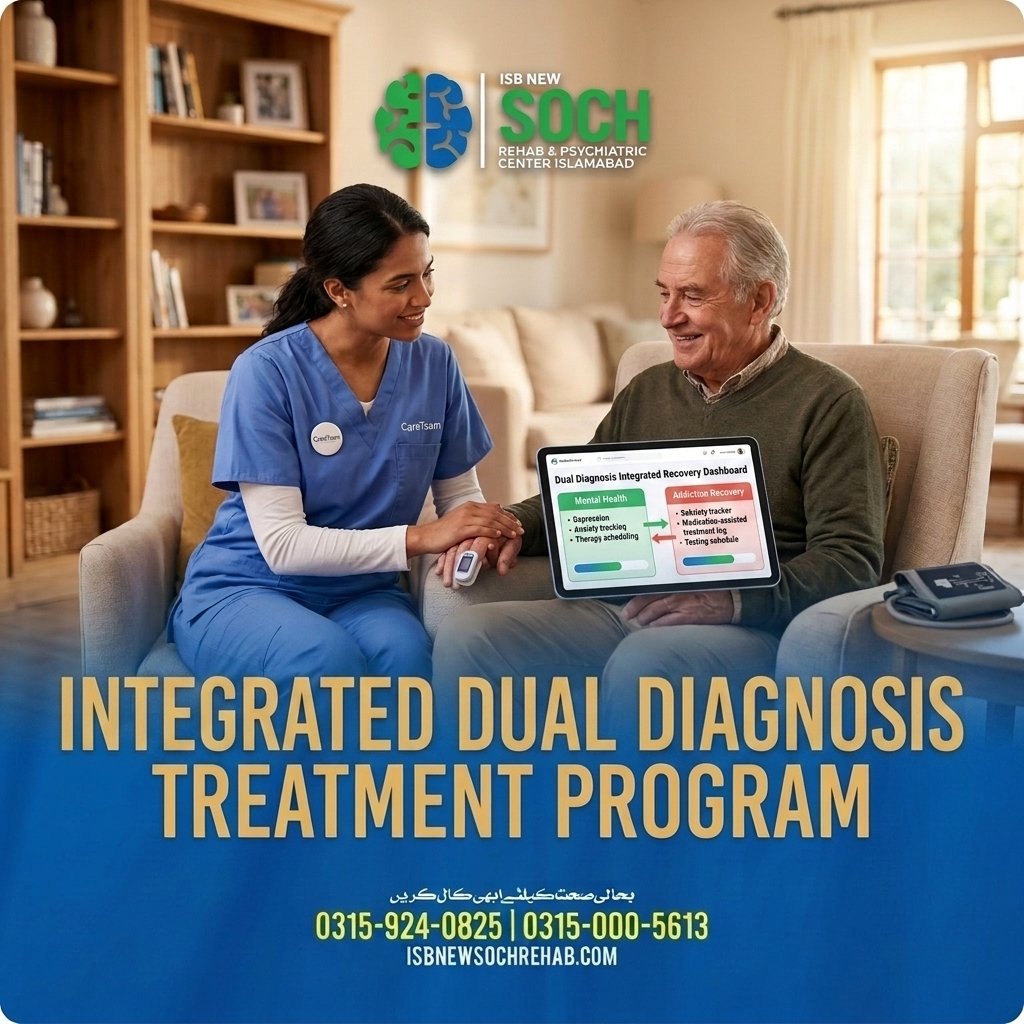
Integrated psychiatric care helps address both emotional and psychological health alongside addiction recovery.
Behavioral Therapies in Treatment Programs
Behavioral therapies play an essential role in long-term recovery.
Cognitive Behavioral Therapy (CBT)
CBT helps individuals identify negative thinking patterns and replace unhealthy behaviors with healthier coping strategies.
Motivational Enhancement
Motivational approaches encourage individuals to strengthen their commitment to recovery and maintain positive lifestyle changes.
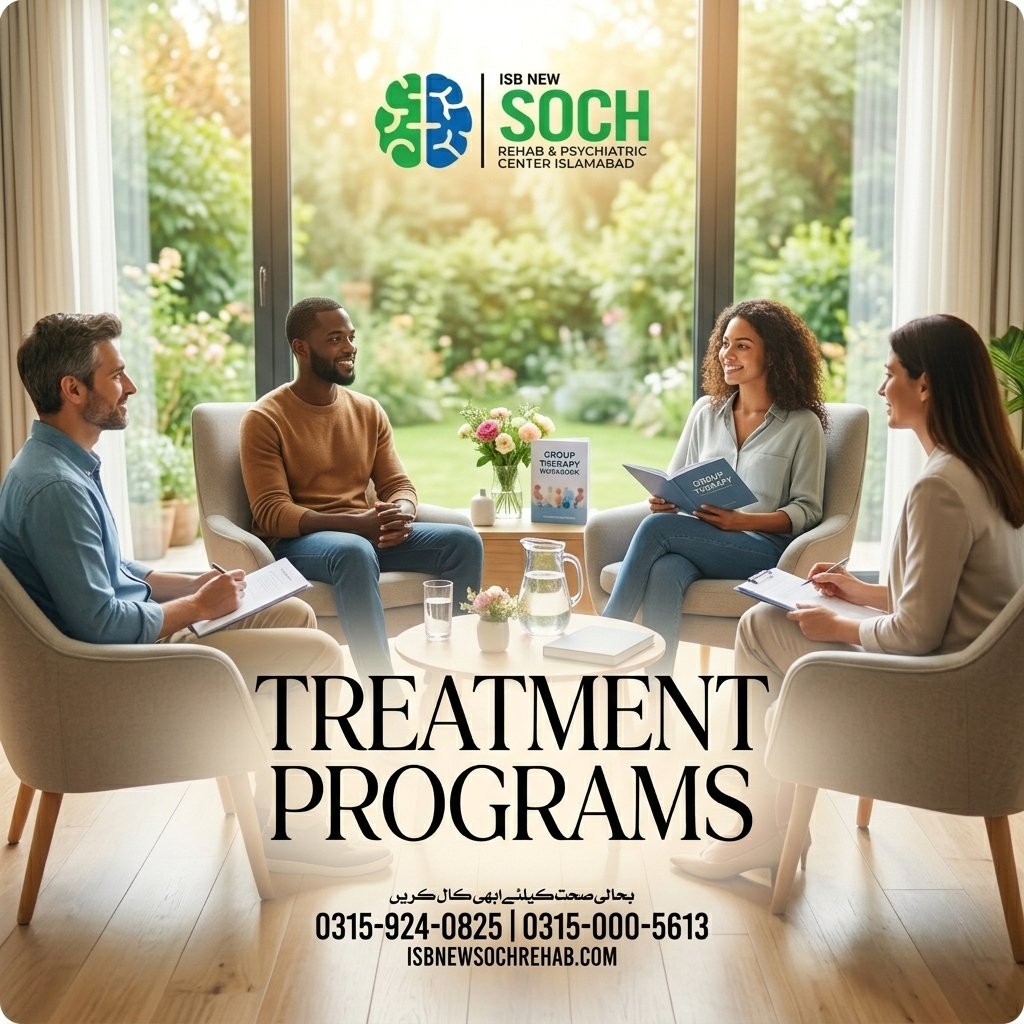
Group Therapy
Group therapy provides opportunities to:
- Share experiences
- Learn from others
- Build confidence
- Develop healthy social support
These therapies contribute to emotional growth and relapse prevention.
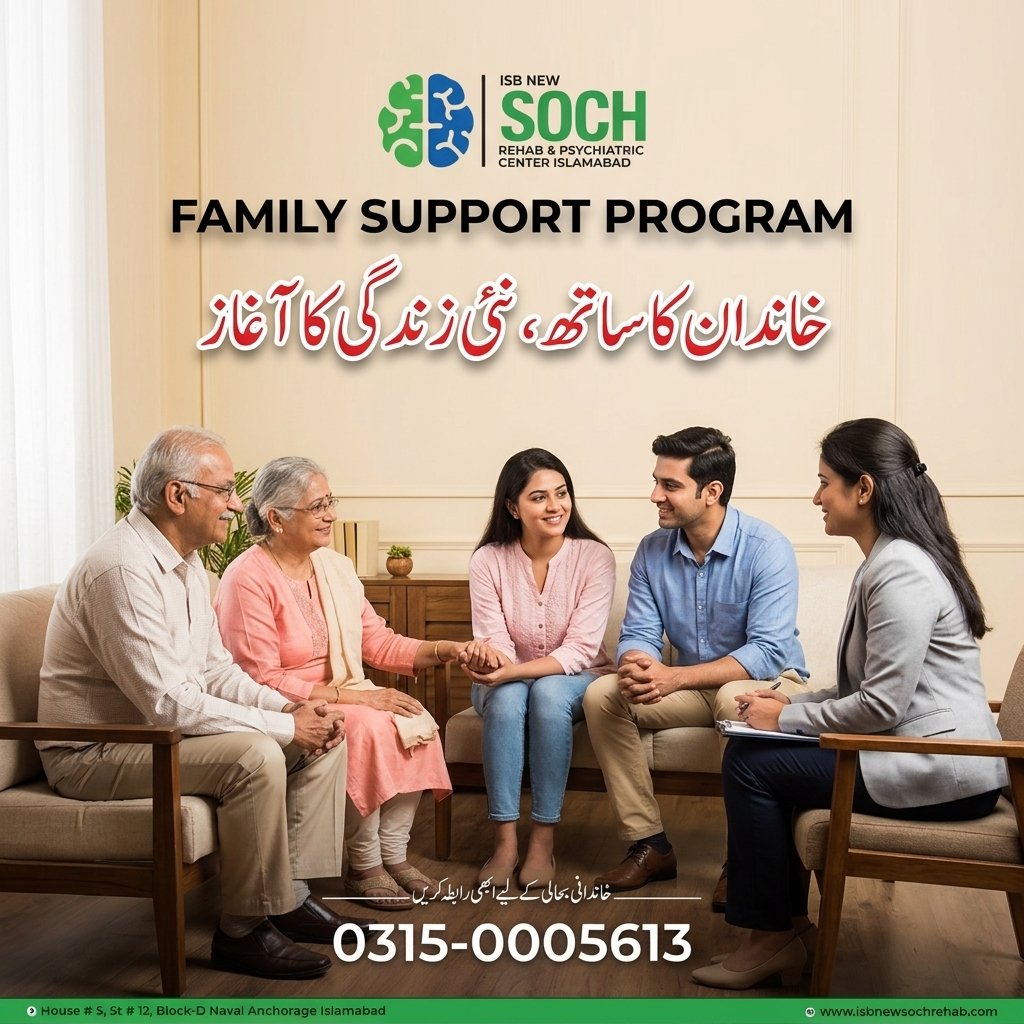
The Role of Family in Treatment
Family involvement often strengthens recovery outcomes.
Family counseling may help:
- Improve communication
- Rebuild trust
- Resolve conflicts
- Increase understanding of addiction and mental health
- Encourage ongoing support
At New Soch Rehab and Psychiatric Center Islamabad, families are encouraged to participate in treatment whenever appropriate and with the patient’s consent.
Relapse Prevention Planning
Recovery continues after completing formal treatment.
Relapse prevention programs help individuals:
- Recognize personal triggers
- Develop healthy coping skills
- Manage stress effectively
- Maintain healthy routines
- Build supportive relationships
Long-term recovery is strengthened through continued professional guidance and follow-up care.
Supporting Mental Health During Recovery
Emotional well-being is a key part of successful recovery.
Treatment programs often address:
- Anxiety management
- Depression treatment
- Trauma recovery
- Stress reduction
- Emotional regulation
Supporting mental health alongside addiction treatment improves overall recovery outcomes.
Healthy Lifestyle Changes
Recovery involves developing habits that support both physical and emotional health.
Helpful lifestyle practices include:
- Eating balanced meals
- Exercising regularly
- Maintaining healthy sleep patterns
- Practicing mindfulness
- Building positive social connections
- Participating in meaningful daily activities
These habits promote resilience and overall well-being.
Benefits of Comprehensive Treatment Programs
A structured treatment program offers numerous advantages.
Key benefits include:
- Individualized care
- Professional medical supervision
- Integrated mental health support
- Improved coping skills
- Stronger family relationships
- Better emotional well-being
- Reduced risk of relapse
- Ongoing recovery planning
Comprehensive care supports both immediate recovery and long-term health.
Frequently Asked Questions (FAQs)
1. What are treatment programs?
Treatment programs are structured healthcare services that provide medical care, counseling, therapy, and rehabilitation for individuals experiencing addiction or mental health conditions.
2. How are treatment programs personalized?
Treatment plans are developed based on an individual’s medical history, mental health, substance use history, and personal recovery goals.
3. What therapies are commonly included?
Treatment may include Cognitive Behavioral Therapy (CBT), individual counseling, group therapy, family counseling, psychiatric care, and relapse prevention planning.
4. Why is family involvement important?
Family support can improve communication, strengthen relationships, encourage treatment participation, and support long-term recovery.
5. What happens after completing a treatment program?
After treatment, many individuals continue with aftercare services, counseling, follow-up appointments, and relapse prevention strategies to maintain recovery.
Conclusion
Comprehensive treatment programs provide the structure, professional guidance, and emotional support needed to help individuals recover from addiction and mental health conditions. By combining medical care, evidence-based therapies, psychiatric support, family involvement, and long-term recovery planning, treatment programs address the whole person rather than just the symptoms.
At New Soch Rehab and Psychiatric Center Islamabad, treatment is delivered with compassion, professionalism, and respect for each individual’s unique needs. Through personalized care and ongoing support, patients are empowered to improve their physical health, strengthen emotional resilience, rebuild relationships, and work toward a healthier, more fulfilling future.