Effective treatment programs are the foundation of successful recovery from addiction and mental health challenges. Every individual experiences different circumstances, symptoms, and recovery goals, which is why treatment should be personalized rather than following a one-size-fits-all approach. Comprehensive treatment programs combine medical care, psychological support, and long-term recovery planning to help individuals improve their overall well-being.
At New Soch Rehab and Psychiatric Center Islamabad, treatment programs are designed to provide ethical, evidence-based, and patient-centered care. By addressing both physical and psychological health, these programs help individuals develop healthier coping strategies and work toward long-term recovery.
This article explores the different types of treatment programs, their benefits, and the importance of professional support.
What Are Treatment Programs?
Treatment programs are structured plans of care designed to help individuals recover from substance use disorders, mental health conditions, or both. These programs are developed after a comprehensive assessment and are tailored to meet each person’s specific needs.
Treatment programs may include:
- Medical assessment and diagnosis
- Detoxification services
- Psychiatric care
- Individual counseling
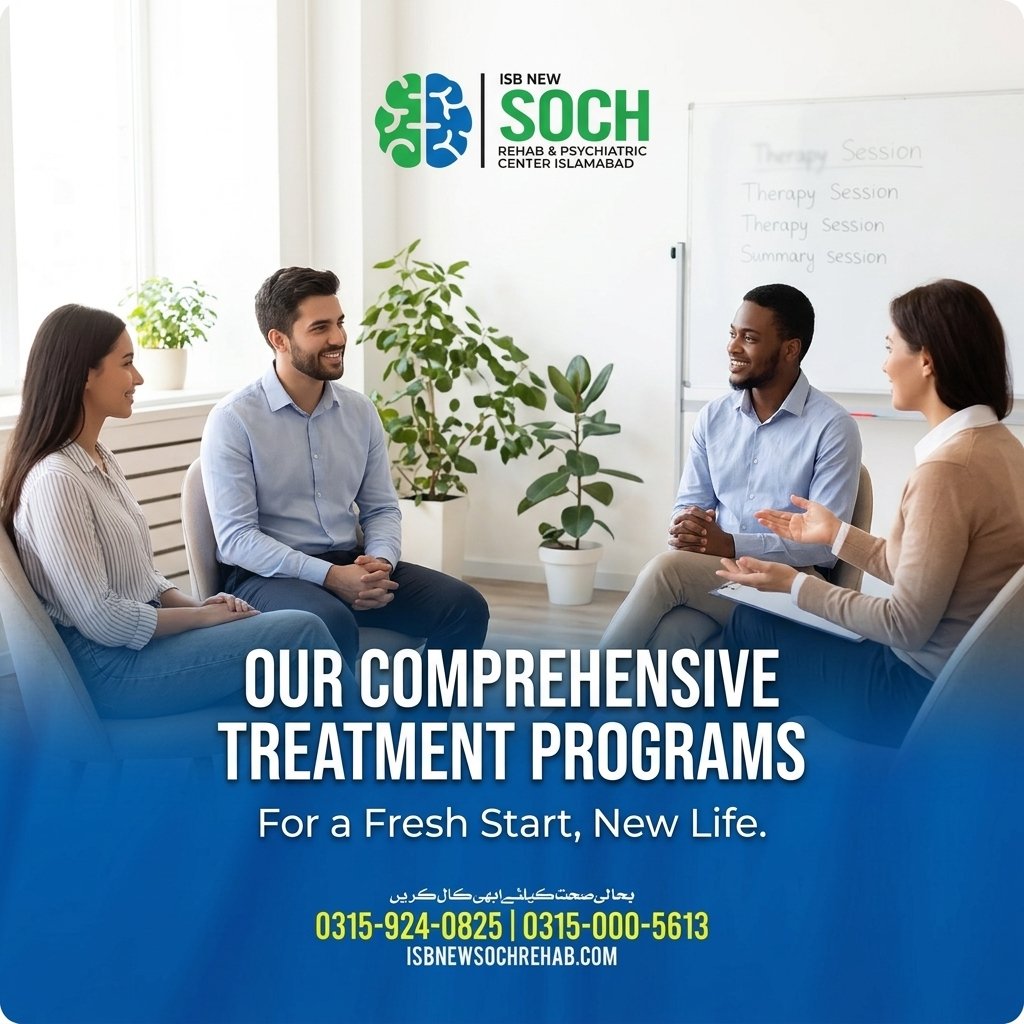
- Group therapy
- Family counseling
- Relapse prevention planning
- Aftercare support
The goal is to support recovery while improving physical, emotional, and psychological well-being.
Why Personalized Treatment Is Important
No two individuals experience addiction or mental health conditions in the same way. Personalized treatment considers factors such as:
- Medical history
- Mental health status
- Type and severity of addiction
- Personal recovery goals
- Family and social circumstances
At New Soch Rehab and Psychiatric Center Islamabad, treatment plans are regularly reviewed and adjusted based on each individual’s progress and changing needs.
Types of Treatment Programs
Different treatment programs are available depending on the severity of the condition and the individual’s circumstances.
Inpatient Rehabilitation
Inpatient treatment provides 24-hour care in a structured environment where patients stay at the facility throughout their recovery program.
Benefits include:
- Continuous medical supervision
- Reduced exposure to triggers
- Structured daily routines
- Comprehensive therapeutic support
This option is often recommended for individuals with severe addiction or complex mental health conditions.
Outpatient Treatment
Outpatient programs allow individuals to receive professional treatment while continuing their daily responsibilities such as work, education, or family commitments.
These programs may include:
- Scheduled counseling sessions
- Psychiatric consultations
- Group therapy
- Regular progress monitoring
Outpatient care offers flexibility while maintaining ongoing professional support.
Medical Detoxification
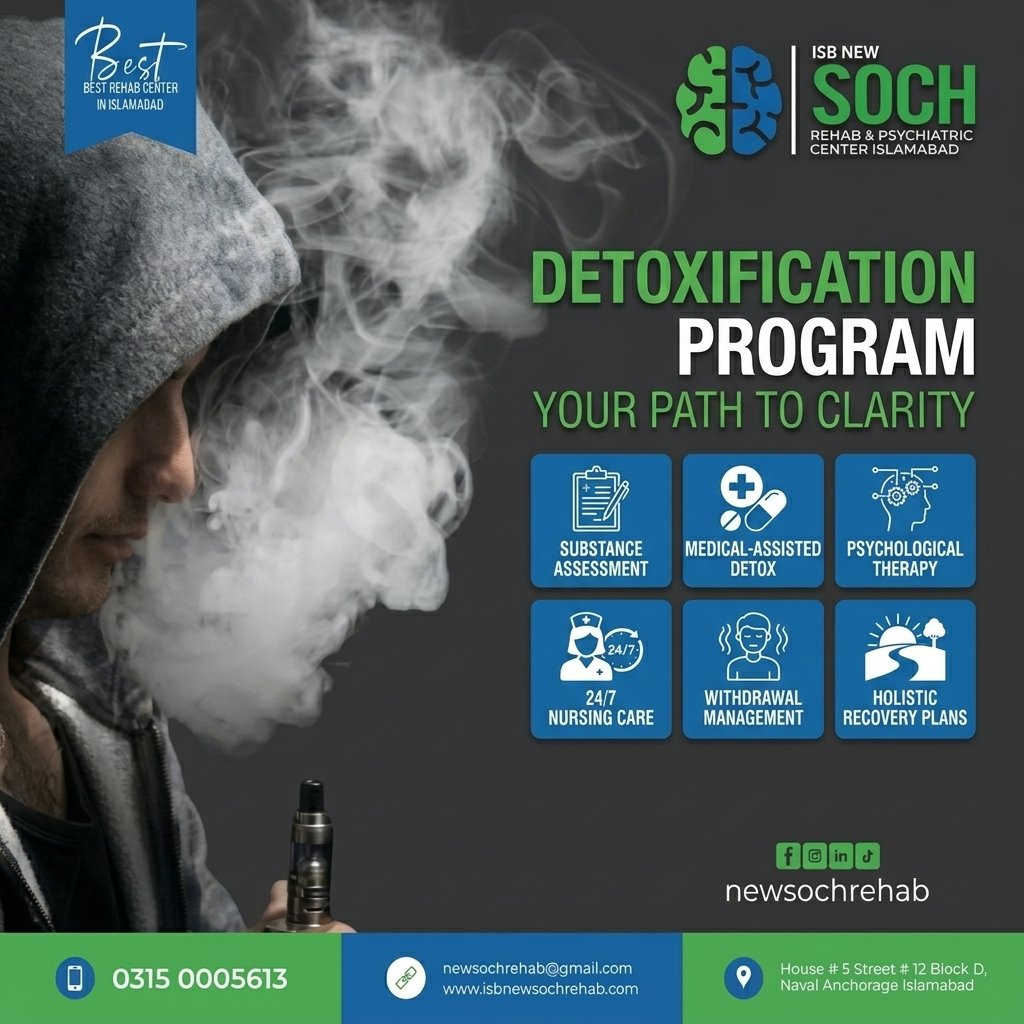
Detoxification is often the first stage of addiction treatment. During detox, harmful substances are safely removed from the body under medical supervision.
Withdrawal symptoms vary depending on the substance but may include:
- Anxiety
- Sweating
- Nausea
- Sleep disturbances
- Mood changes
Medical supervision helps ensure patient safety and comfort throughout the detox process.
Mental Health Treatment Programs
Mental health treatment programs focus on helping individuals manage emotional and psychological challenges.
Conditions commonly treated include:
- Depression
- Anxiety disorders
- Bipolar disorder
- Trauma-related conditions
- Stress-related disorders
Treatment may involve psychotherapy, psychiatric evaluation, medication management when appropriate, and emotional support.
Therapeutic Approaches Used in Treatment Programs
Successful recovery often involves multiple evidence-based therapies working together.
Cognitive Behavioral Therapy (CBT)
CBT helps individuals recognize unhealthy thinking patterns and develop healthier coping mechanisms.
Individual Counseling
Personal counseling provides a confidential space to discuss emotional concerns, life experiences, and recovery goals.
Group Therapy
Group therapy encourages peer support, shared learning, and motivation through interaction with others facing similar challenges.
Family Counseling
Family sessions help improve communication, strengthen relationships, and educate loved ones about recovery.
At New Soch Rehab and Psychiatric Center Islamabad, these therapeutic approaches are integrated into personalized treatment plans.
Dual Diagnosis Treatment
Many individuals experiencing addiction also have mental health conditions such as anxiety, depression, or trauma. This combination is known as a dual diagnosis.
Integrated treatment addresses both conditions simultaneously, helping improve overall recovery outcomes by treating the whole person rather than focusing on only one issue.
Relapse Prevention Strategies
Recovery continues after completing formal treatment. Relapse prevention is an important component of long-term success.
Key strategies include:
- Identifying personal triggers
- Developing healthy coping skills
- Managing stress effectively
- Maintaining regular counseling
- Building supportive relationships
- Creating healthy daily routines
These strategies help individuals maintain recovery and improve emotional resilience.
The Importance of Aftercare Programs
Aftercare provides ongoing support after the completion of primary treatment.
Aftercare services may include:
- Follow-up counseling
- Support groups
- Psychiatric follow-up appointments
- Lifestyle guidance
- Family support
Long-term care helps individuals adjust to everyday life while continuing to strengthen recovery.
The Role of Family in Treatment Programs
Family support can significantly improve recovery outcomes. Educating families about addiction and mental health helps them provide more effective emotional support.
Family participation may include:
- Counseling sessions
- Educational workshops
- Communication skills training
- Recovery planning
At New Soch Rehab and Psychiatric Center Islamabad, family involvement is encouraged whenever appropriate to promote healthier relationships and long-term stability.
Choosing the Right Treatment Program
Selecting the appropriate treatment program depends on several factors, including:
- Severity of the condition
- Physical health
- Mental health needs
- Personal responsibilities
- Previous treatment history
A professional assessment helps determine the most appropriate level of care for each individual.
Frequently Asked Questions (FAQs)
1. What are treatment programs?
Treatment programs are structured plans that combine medical care, therapy, and ongoing support to help individuals recover from addiction or mental health conditions.
2. What is the difference between inpatient and outpatient treatment?
Inpatient treatment involves staying at the treatment facility, while outpatient treatment allows individuals to live at home and attend scheduled sessions.
3. Is detox always required before treatment?
Detox may be necessary for individuals with physical dependence on certain substances, but the need varies depending on each case.
4. Can mental health and addiction be treated together?
Yes. Integrated treatment addresses both mental health conditions and substance use disorders simultaneously.
5. Why is aftercare important?
Aftercare provides ongoing support that helps individuals maintain recovery, manage stress, and reduce the risk of relapse.
Conclusion
Comprehensive treatment programs provide the structure, professional guidance, and emotional support needed for recovery from addiction and mental health challenges. Personalized care, evidence-based therapies, and long-term planning help individuals develop healthier lifestyles and improve their overall quality of life.
At New Soch Rehab and Psychiatric Center Islamabad, treatment programs are designed to meet each individual’s unique needs while maintaining high standards of ethical and compassionate care. Through professional support, family involvement, and continued follow-up, individuals can work toward lasting recovery, emotional well-being, and a healthier future.