Cannabis, commonly known as marijuana, is one of the most widely used substances globally. While some individuals perceive it as harmless, regular or excessive use can lead to dependence and negatively impact mental, emotional, and physical health. Cannabis addiction is a growing concern, particularly among young adults, and requires professional understanding and care.
At New Soch Rehab and Psychiatric Center Islamabad, mental health professionals provide structured support for individuals dealing with substance use disorders. As a center addressing Cannabis or Marijuana Addiction in Islamabad Pakistan, the focus is on ethical care, psychological support, and long-term recovery strategies.
This article explains cannabis addiction, its effects, and how professional treatment can help individuals regain control of their lives.
Understanding Cannabis Addiction
Cannabis addiction, also referred to as cannabis use disorder, occurs when an individual becomes dependent on marijuana and finds it difficult to stop using it despite negative consequences.
The active compound in cannabis, THC (tetrahydrocannabinol), affects the brain’s reward system. Over time, repeated use can alter brain function, leading to cravings and dependency.
Although not everyone who uses cannabis becomes addicted, certain factors increase the risk, including:
- Frequent or long-term use
- Early age of first use
- Mental health conditions such as anxiety or depression
- Environmental influences and peer pressure
Understanding these risk factors is essential when addressing Cannabis or Marijuana Addiction in Islamabad Pakistan.
Signs and Symptoms of Marijuana Addiction
Recognizing the signs of cannabis addiction can help individuals and families seek timely support. Symptoms may vary but often include behavioral, psychological, and physical changes.
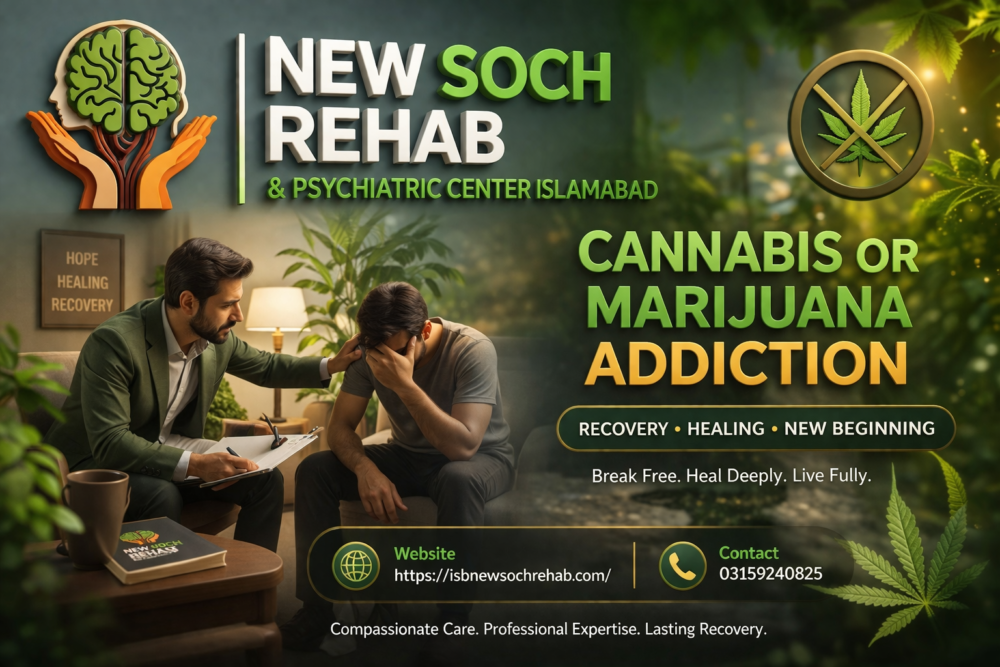
Common signs include:
- Strong cravings for cannabis
- Difficulty controlling usage
- Loss of interest in daily activities
- Memory and concentration problems
- Irritability or mood swings
- Sleep disturbances
- Continued use despite negative consequences
In some cases, individuals may also experience anxiety or paranoia related to cannabis use.
At New Soch Rehab and Psychiatric Center Islamabad, professional assessments help determine the severity of addiction and guide appropriate treatment plans.
Effects of Cannabis on Mental and Physical Health
Long-term cannabis use can affect both mental and physical health in several ways.
Mental Health Effects
Cannabis use may contribute to:
- Increased anxiety and panic attacks
- Depression or mood disorders
- Cognitive impairment
- Reduced motivation
- In some cases, psychotic symptoms
Physical Health Effects
Although cannabis is often perceived as less harmful than other substances, regular use can still impact physical health, including:
- Respiratory issues (when smoked)
- Fatigue and reduced energy levels
- Changes in appetite
- Sleep disturbances
A comprehensive approach to Cannabis or Marijuana Addiction in Islamabad Pakistan includes addressing both mental and physical health concerns.
Why Professional Treatment Is Important
Many individuals attempt to stop cannabis use on their own but may struggle due to cravings, withdrawal symptoms, or underlying emotional challenges.
Professional treatment provides:
Structured Support
Rehabilitation programs offer a stable environment where individuals can focus on recovery without external triggers.
Psychological Therapy
Therapy helps individuals understand the reasons behind substance use and develop healthier coping mechanisms.
Relapse Prevention
Patients learn strategies to manage cravings and avoid situations that may lead to relapse.
At New Soch Rehab and Psychiatric Center Islamabad, treatment is designed to support gradual recovery while respecting patient dignity and confidentiality.
Treatment Approaches for Cannabis Addiction
Effective treatment for cannabis addiction typically involves a combination of therapeutic approaches.
Cognitive Behavioral Therapy (CBT)
CBT is widely used to help individuals identify negative thought patterns and replace them with healthier behaviors.
Motivational Enhancement Therapy
This approach focuses on increasing a person’s motivation to change and engage in recovery.
Individual Counseling
Personal therapy sessions allow individuals to explore emotional challenges and triggers related to cannabis use.
Group Therapy
Group sessions provide peer support and shared experiences, helping individuals feel less isolated during recovery.
A structured program at a Cannabis or Marijuana Addiction in Islamabad Pakistan treatment center integrates these methods to support long-term success.
The Role of Mental Health in Cannabis Addiction
Cannabis use is often linked to underlying mental health issues such as anxiety, depression, or trauma. Some individuals use marijuana as a way to cope with stress or emotional discomfort.
However, this coping mechanism can lead to dependency and worsen mental health over time.
At New Soch Rehab and Psychiatric Center Islamabad, integrated treatment plans address both addiction and mental health conditions to promote balanced recovery.
Family Support in Recovery
Family involvement can play an important role in the recovery process. Addiction can strain relationships, and rebuilding trust is often part of treatment.
Family support programs may include:
- Counseling sessions
- Education about addiction
- Communication skills training
- Emotional support for both patients and family members
A supportive home environment can help individuals maintain progress after completing treatment.
Preventing Relapse After Treatment
Recovery from cannabis addiction is an ongoing process. After completing treatment, individuals may benefit from continued support and healthy lifestyle practices.
Relapse prevention strategies include:
- Regular therapy or counseling
- Stress management techniques
- Avoiding triggers associated with cannabis use
- Building healthy routines and habits
- Maintaining supportive social connections
A structured aftercare plan provided by a Cannabis or Marijuana Addiction in Islamabad Pakistan facility can help individuals maintain long-term stability.
Frequently Asked Questions (FAQs)
1. Is cannabis addiction a real condition?
Yes, cannabis addiction is recognized as a substance use disorder that can affect mental and physical health.
2. What are the withdrawal symptoms of marijuana?
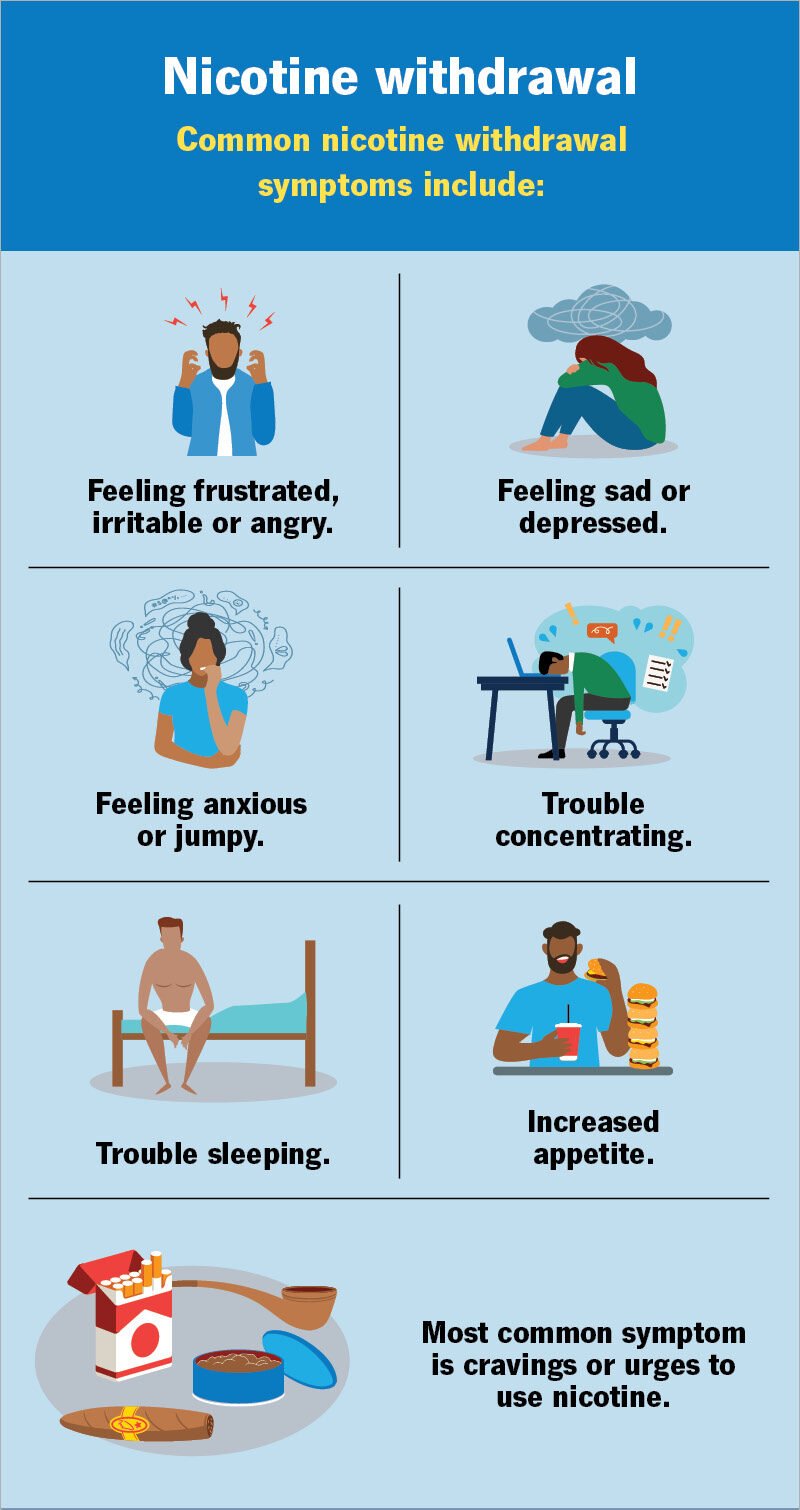
Common withdrawal symptoms include irritability, sleep disturbances, anxiety, and cravings.
3. Can cannabis use affect mental health?
Yes, long-term use may contribute to anxiety, depression, and cognitive difficulties.
4. How is cannabis addiction treated?
Treatment typically includes therapy, counseling, and behavioral interventions tailored to the individual’s needs.
5. How long does recovery take?
Recovery duration varies depending on the individual, the severity of addiction, and their response to treatment.
Conclusion
Cannabis addiction is a complex condition that can affect various aspects of an individual’s life. While it may begin as occasional use, repeated consumption can lead to dependence and long-term health concerns.
At New Soch Rehab and Psychiatric Center Islamabad, treatment programs are designed to provide ethical, compassionate, and structured care. As a provider of services for Cannabis or Marijuana Addiction in Islamabad Pakistan, the center focuses on psychological therapy, mental health support, and long-term recovery planning.