Diabetes needs to be managed with more than just medication. Good Nutrition, keeping a balanced diet and putting lifestyle adjustments into practice are also crucial to keep blood sugar level stable, avoiding long-term complications. At New Soch Rehab and Psychiatric Center Islamabad, we recognize that long-term conditions such as diabetes frequently intersect with mental health problems, addictive disorders. As a leading Addiction Treatment Center in Islamabad, Pakistan, we espouse the principle of evidence-based and holistic health care; one which includes mental peace along with physical well-being.
This review offers up-to-date, practical, and medically sound advice for nutrition and diet planning in diabetes management. It is intended to help patients, families and caregivers make informed dietary choices that promote recovery and overall good health.
Understanding Diabetes and the Role of Nutrition
Diabetes is a lifelong metabolic disorder that disrupts the body’s ability to process glucose (blood sugar). Type 1 and Type 2 diabetes are two well-known forms; whereas Type 2 is more commonplace, often related to driven by lifestyle factors including poor diet, obesity and inactivity.
Nutrition is an important part of the:
- Regulating blood glucose levels
- Supporting healthy weight management
- Reducing insulin resistance
- Avoiding complications like heart disease and kidney damage
A balanced diabetic meal plan helps people to sustain energy throughout the day and maintain even blood sugar levels. This is especially critical for patients being treated at an Addiction Treatment Center in Islamabad, Pakistan – good nutrition drives the physical healing process and helps maintain emotional balance.
The Importance of Diet Planning in Diabetes
Good diet planning for diabetes doesn’t mean that you have to strictly deprive yourself. Instead, it advocates eating nutritiously, watching portion sizes and making wise food choices.
1. Blood Sugar Control
High sugar and refined carbohydrate-rich foods can lead to a rapid rise in blood sugar. An intentionally arranged meal plan is:
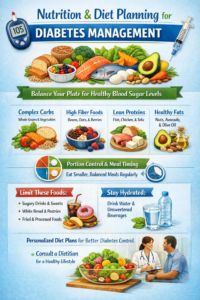
- Complex carbohydrates
- High-fiber foods
- Lean proteins
- Healthy fats
These options slow down the sugar uptake and eliminate high and low peaks.
2. Weight Management
Being on a healthy weight increases the body’s insulin sensitivity. For addicts at New Soch Rehab and Psychiatric Center Islamabad Diet is also included for the Correction of Nutritional Deficiencies and for Building Physical Strength.
3. Long-Term Health Protection
A heart-healthy diet helps prevent cardiovascular complications that people with diabetes often develop.
Essential Elements of the Diabetes Diet
A balanced diet for a diabetic is one that includes a little bit of everything healthy.
Complex Carbohydrates
Opt for whole grains and high-fiber foods like:
- Brown rice
- Whole wheat bread
- Oats
- Quinoa
These foods take a while to digest and can help ensure blood sugar levels don’t spike.
Lean Proteins
Protein can help maintain muscle and keep you feeling full longer. Healthy options include:
- Skinless chicken
- Fish
- Eggs
- Lentils
- Beans
At an Islamabad, Pakistan Addiction Treatment Center the focus is on helping you restore your health and peace of mind.
Healthy Fats
Unsaturated fats promote heart health. Include:
- Olive oil
- Avocados
- Nuts and seeds
Trans fats and too much saturated fat should be avoided.
Fiber-Rich Vegetables
Green (cucumbers, spinach), orange (carrots) and broccoli non-starchy veggies are great. Fiber promotes good digestion and helps you control your blood sugar levels.
The Significance of Meal Time and Control of Portions
A regular lifestyle is the key for managing diabetes. Irregular blood sugar levels result from skipping meals or overeating.
Balanced Meal Structure
The “plate model” is a pragmatic approach:
- Half the plate: Non-starchy vegetables
- One-quarter: Lean protein
- 1/4: Whole grains/complex carbs
Regular Meal Timing
The same meal concept every day is good for insulin and glucose consistency.
At New SOch Rehab and Psychiatric Center Islamabad, planned dining times are usually part of the treatment plans. This method promotes metabolic equilibrium and emotional balance.
Dehydration and What It Does to Your Blood Sugar
Hydration tends to be neglected in diabetes management. Water helps:
- Maintain kidney function
- Rid the blood of surplus glucose
- Prevent dehydration-related complications
Avoid sweet drinks and energy drinks which can lead to sudden surges in blood sugar.
Nutrition and Mental Health Connection
The link between diet and mental health is becoming increasingly clear. Bad eating habits don’t only leave you prone to mood swings and fatigue and anxiety — three mental health conditions that can further complicate diabetes and addiction recovery.
Being a seasoned Addiction Treatment Center in Islamabad, Pakistan New Soch Rehab and Psychiatric Center Islamabad has the following focused:-
- Balanced nutrition
- Psychological counseling
- Stress management techniques
- Lifestyle education
This whole-person approach helps people achieve sustainable recovery and manage chronic diseases.
Specific Considerations for Those in Recovery
Addiction treatment patients may have special nutritional problems:
- Nutrient deficiencies
- Appetite fluctuations
- Digestive issues
- Irregular eating patterns
A well thought-out diabetic meal plan helps to maintain a normal blood sugar level, while the body repairs itself from substance-related damage. Nutritional support is a critical part of integrated healthcare at such a renowned Addiction Treatment Centre in Islamabad, Pakistan.
Foods to Limit or Avoid
Some foods can disrupt healthy blood sugar control:
- Refined sugars and sweets
- White bread and processed carbohydrates
- Fried foods
- Sugary beverages
- Excessive salt
Seek them instead of depriving yourself all-together from certain food groups and concentrate on small amounts & healthy options.
Simple Tips on How to Maintain a Sustainable Diet
Managing diabetes requires long-term commitment. Here are practical strategies:
1. Plan Your Meals Weekly – It will give you an opportunity to cook food that will help prevent choices that are unhealthy.
2. Read the Labels – Keep an eye on carbs and sugars.
3. Mindful Eating is Your Practice – Slow down and tune into your hunger responses.
4. Seek Advice from the Doctors – Custom diet plans work better.
5. Combine Diet with Exercise – Physical activity increases insulin sensitivity.
At New Soch Rehab and Psychiatric Center Islamabad we have full focus on patient education. Educating people about their health enables them to take control of their own health.
The Importance of Medical Support for Diabetes and Addiction Recovery
Diabetes-management in conjunction with addiction-recovery can be difficult. Medical supervision ensures:
- Safe medication adjustments
- Nutritional monitoring
- Mental health evaluation
- Relapse prevention strategies
Being a reliable Rehab and Psychiatric Center in Islamabad, Pakistan New Soch Rehab & Psychiatric Center Islamabad adopts ethical and patient friendly procedures. The aim is not short-term fixes, but care that’s sustainable and evidence-based.
Frequently Asked Questions (FAQs)
1. Diabetes can be controlled only through good diet?
Even when diet is the staple of treatment, most people also need to take medication or insulin. Tuberculin skin testing under medical supervision is advised with such comprehensive management.
2. How often should a person with diabetes eat?
While every client’s needs should be considered, three standing meals and 1-2 snacks would accommodate most; however the three meals can be adapted with one snack or other eating opportunity in some cases for those at risk of medication and/or supplement non-adherence.
3. Is it safe for an individual to be in recovery from an addiction and follow a diabetic diet?
Yes. In actuality, a diabetic meal program can aid in increasing energy levels and mood swings while recovering. Professional guidance ensures nutritional balance.
4. Can we have fruits in diabetes?
Yes, but it’s all about portion control. Fruit is better than fruit juice because it has fiber.
5. What are the impacts of stress on blood sugar?
Stress hormones cause your blood glucose level to go up. Stress-busting therapy, along with exercise and nesting (eating healthily), help maintain control.
Conclusion
Diet and nutrition management is the most important aspect of diabetes control. Complications are avoided through balanced meals consumption, portion control and drinking water at regular intervals. For those living among diabetes and substance use disorder, integrated care is even more essential.
New Soch Rehab and Psychiatric Center Islamabad understands the correlation of physical health, psychological wellness and lasting recovery. As a caring and client-center Addiction Hospital & Rehab in Islamabad (Pakistan) the hospital adopts transparent, ethical evidence-based best practice to establish healings that are sustainable without unrealistic claims.
Through the integration of professional medical counseling and organized nutrition planning, people can start to take proactive steps towards healthier living and greater degrees of stability.