The increasing trend of prescription drug addiction is spreading through much of the Pakistani society. Sometimes, drugs originally prescribed for pain relief, anxiety, sleep or attention balloons into a dependency when they are misused. The key to recovery from prescription drug addiction is more than just quitting medication; it’s about addressing the underlying reasons for misuse, rebuilding mental fortitude and learning healthier ways to cope in the future.
Counseling that is provided conduces an individual in the long term recovery about which a person dreams at New Soch Rehab and Psychiatric Center Islamabad And considered as number one rehabilitation center in Gauri Town Islamabad. This article discusses how therapy aids in prescription drug addiction recovery and why it is important to have a professional’s therapeutic guidance for healthy and sustain recovery.
Understanding Prescription Drug Addiction
Prescription drug addiction is when an individual starts to use the drug in a manner not directed by the prescribing physician. This may include:
- Taking higher doses than prescribed
- Using medication without a prescription
- Combining with alcohol or other drugs
- Continuing use despite negative consequences
Opioids (painkillers), benzodiazepines (antianxiety medications), and stimulant drugs are among the prescription medications most commonly misused.
The more you use, the more your brain becomes accustomed to them and the less able you are to operate without them. Withdrawing physically, feeling emotional pain and having cravings can make it very difficult to quit without help.
The Importance of How Counseling Plays A Role In Recovering from Prescription Drug Addiction
Detox is for the physical, counseling is for that mental and emotional aspect of addiction. In the absence of effective therapy, relapse risk is high.
Counselling is throughout rehabilitation at the Best rehabilitation center in Gauri Town Islamabad to offer systematic emotional support, relapse prevention plan and personality change.
1. Identifying Root Causes of Addiction
Prescription Medicines For many people, there is the option of taking medication to deal with:
- Chronic pain
- Anxiety disorders
- Depression
- Trauma
- Stressful life events
This is where counseling comes in as a safe, confidential platform to delve into such issues. Organized therapeutic sessions offer individuals perspective on what may have been the cause of their dependence, as well as how to cope with those triggers more successfully.
2. CBT (Cognitive Behavioral Therapy) in Recovery from Addiction
Cognitive Behavioral Therapy (CBT) has been one of the most promising methods in drug rehab.
CBT helps individuals:
- Identify negative thought patterns
- Substitute the bad with good behaviors.
- Develop coping strategies
- Manage cravings and stress
For example, a patient who uses medication to deal with anxiety can be taught relaxation techniques, mindfulness practices and other emotional regulation skills instead.
By challenging thoughtpatterns, CBT not only reduces the risk of relapse, but also increases long-term resilience.
3. Psychological Healing and Health of the Mind
Commonly, prescription medications abuse is accompanied by other co-occurring mental and health conditions including:
- Anxiety disorders
- Major depressive disorder
- Post-traumatic stress disorder (PTSD)
Counseling provides integrated treatment for both addiction and mental health issues. This holistic method yields better overall recovery results and helps to maintain proper emotional balance.
At New Soch Rehab and Psychiatric Center Islamabad we combine psychiatric assessment with treatment for a wide range of emotional problems, rather than promising to just throw medicines at you.
4. Building Healthy Coping Mechanisms
People use meds inappropriately because they have no effective means of coping. The following concepts are among those which counseling presents as practical:
- Stress management techniques
- Healthy communication skills
- Problem-solving strategies
- Mindfulness and relaxation exercises
Once they’ve learned those skills, it does mean people can face everyday problems without being on prescription drugs.
Types of Counseling Used in Drug Rehabilitation
“An addiction treatment program will generally consist of different types of counseling,” adds Dr. Santa Mina.
Individual Therapy
One-on-one sessions provide personalized support. In the secret space, patients can openly voice personal battles, pressures and emotional hurt.
Group Therapy
Group counseling allows individuals to:
- Share experiences
- Learn from others
- Build social support
- Reduce feelings of isolation
Many find inspiration, hope and reassurance from hearing others’ stories of recovery.
Family Counseling
THE WHOLE FAMILY Addiction is a family disease. Family therapy assists with efforts to rebuild trust, develop better communication skills and educate one’s loved ones about substance use disorder. A positive home environment can greatly increase the efficacy of recovery.
Relapse Prevention Through Counseling
Relapse is an inherent part of the recovery process, that is, if one is efficiently counseled. Therapists work with individuals to:
- Identify high-risk situations
- Develop a relapse prevention plan
- Practice refusal skills
- Strengthen accountability
And therapy isn’t about blame; it’s about growth, learning and resilience.
The TOP Rehab Facility in Gauri Town Islamabad and You The trusted rehab center in Gauri Town Islamabad incorporates relapse prevention techniques at every step of treatment to help you along the way so when you leave therapy, your tools for sobriety are much more practical.
The Importance of Psychiatric Assessment in Healing
Authorities say the misuse of prescription drugs often starts with legitimate health needs. A careful evaluation by a mental health professional can help to determine:
- Whether medication is still required
- Safe alternatives to addictive drugs
- Non-pharmacological treatment options
This ethical and balanced approach leads to a situation in which patients get good treatment without unnecessary pharmaceutical dependence.
Holistic Support Alongside Counseling
Counseling will always be the foundation stone of addiction recovery, but all-around support helps strengthen and promote healing. These may include:
- Stress reduction programs
- Structured daily routines
- Psychoeducation sessions
- Wellness activities
These interventions promote emotional equilibrium and mental clarity, which largely improves well-being.
The Importance Of Professional Counselling In Islamabad
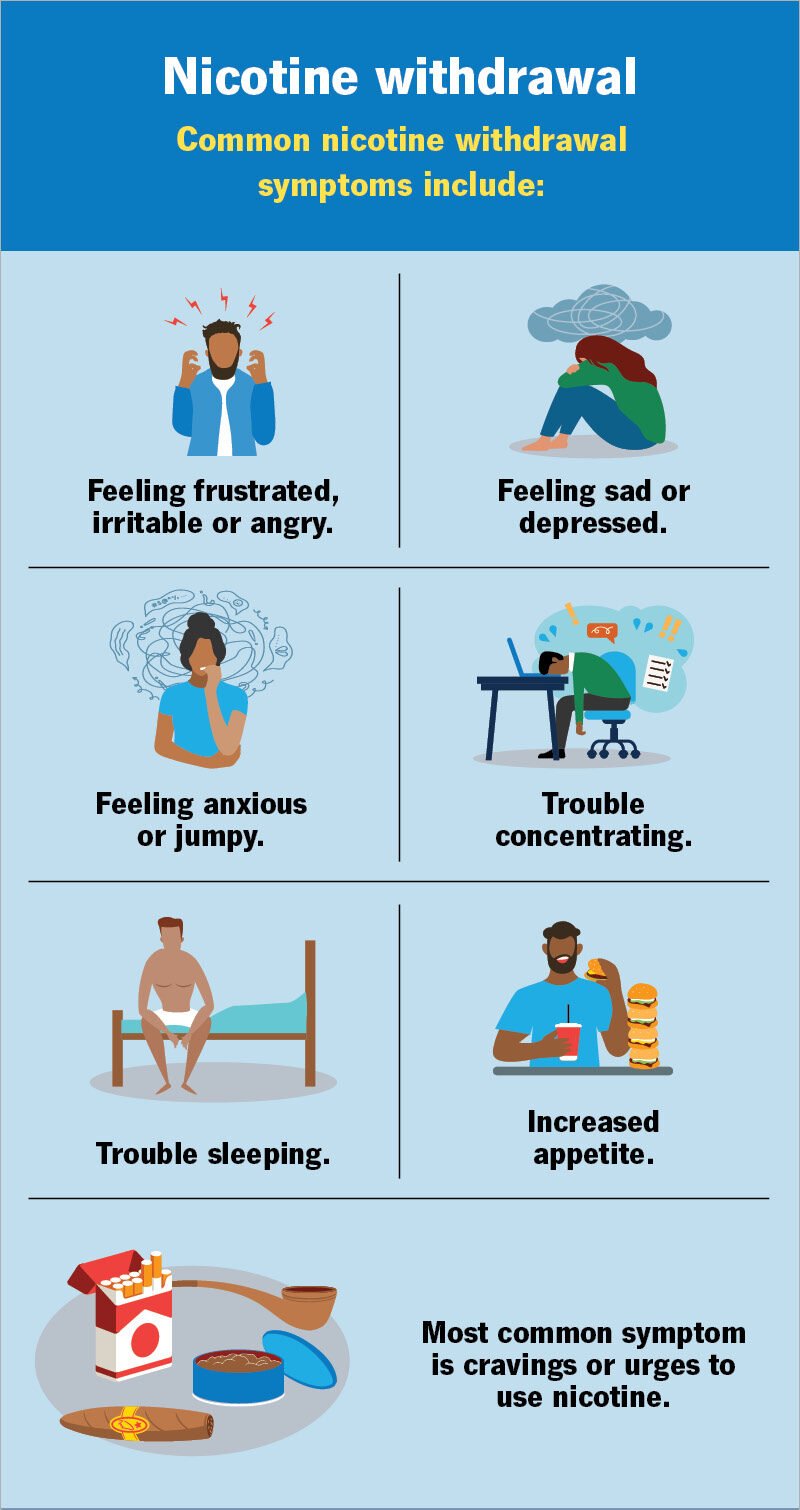
In cities such as Islamabad, access to trained mental health professionals can also be vital for a safe recovery. Withdrawal from prescription drugs is no easy experience, and what most people don’t realize is that it can cause a whole host of withdrawal symptoms ranging from anxiety and insomnia to mood swings and body aches.
Bringing your loved ones to a skilled facility such as the New Soch Rehab and Psychiatric Center Islamabad which is considered one of the Best rehabilitation center in Gauri Town Islamabad will ensure:
- Safe clinical supervision
- Structured therapy programs
- Confidential treatment
- Ethical, patient-centered care
Professional guidance stabilizes a critical period of recovery.
The Long-Term Benefits of Therapy When Overcoming an Addiction
The reach of counselling goes way beyond ‘detox’. Long-term benefits include:
- Improved emotional regulation
- Stronger interpersonal relationships
- Increased self-awareness
- Better stress tolerance
- Reduced relapse risk
Recovery is more than just abstaining from the use of substances—respondents desire to go on to live meaningful and healthy lives.
Ending the Shame of Seeking Help
Stigma is one of the largest impediments to recovery. Some people are afraid of stigma and do not take treatment. Counseling has the effect of making addiction seem like a normal treatable medical condition, rather than a moral failing.
By raising awareness and professional help, facilities such as New Soch Rehab and Psychiatric Center Islamabad pass the message in the society.
Counseling and Prescription Drug Treatment: What You Need to Know
1. What is the duration of therapy for prescription drug addiction rehabilitation?
The length of treatment is adjusted based on specific needs, how long someone has been struggling with addiction and any co-occurring psychiatric disorders. Some need a few months of help and support, others may require longer term assistance.
2. Can therapy alone cure you?
http://snaggedrecovery.tumblr.com/ In many cases, so-called ‘counseling’ is conducted in conjunction with medical support, often during detox. Ideally, a comprehensive treatment plan will integrate therapy, psychiatric evaluation and relapse prevention.
3. Is any family member allowed to join the counselling sessions?
Yes. Family therapy is frequently advised because addiction can impact the entire family. KINSHIP INVOLVEMENT FEEDS THE COMMUNICATION AND SUPPORT RELATIONSHIP.
4. What are the treatments used in drug and alcohol rehabilitation?
Some common strategies used are: CBT, motivational interviewing, individual therapy, group therapy and trauma-informed care.
5. Is prescription drug addiction treatable?
Yes. Through counseling, support, and a goal-oriented approach to life, full recovery is possible; you deserve mental wellness.
Conclusion
When it comes to healing from prescription drug addiction, there is more to be done than sheer physical detox. Counseling targets the emotional, psychological, and behavioral components of addiction and is an essential part of successful treatment. Therapy helps people pinpoint the root of their alcoholism, learn how to cope with triggers and support their mental state in order to help them avoid relapse long-term.
At New Soch Rehab and Psychiatric Center Islamabad is what many refer to us as the Best rehabilitation center in Gauri Town Islamabad; we believes in providing counseling with professionalism, empathy and moral duty. Recovery is a process that requires patience, support and structured guidance—and counseling is an essential component at every stage.